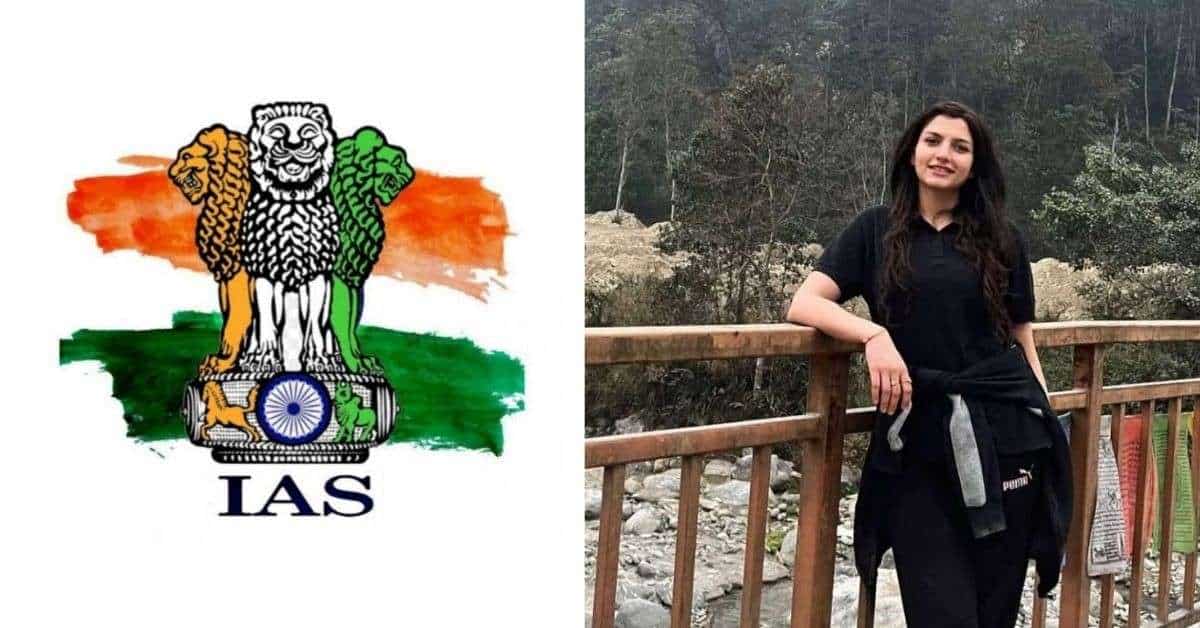
Safin Hasan cleared the UPSC exam in 2018 at just 22 years old. That made him the youngest IPS officer in India.
He secured an All India Rank of 570 in his very first attempt. On December 23, 2019, he joined as Assistant Superintendent of Police in Jamnagar, Gujarat.
But his story is not just about a number or a rank. It is about a boy from a small village in Gujarat who had every reason to give up but chose not to.
If you are preparing for UPSC or just curious about what it takes, this article covers everything. You will find the full stories of the youngest IPS officers, a complete list, eligibility details, and practical preparation tips that most articles skip.
Who Is the Youngest IPS Officer in India?
The youngest IPS officer in India is Safin Hasan. He was 22 years old when he cleared the UPSC Civil Services Examination in 2018.
He was born on July 21, 1995, in Kanodar village near Palanpur, Gujarat.
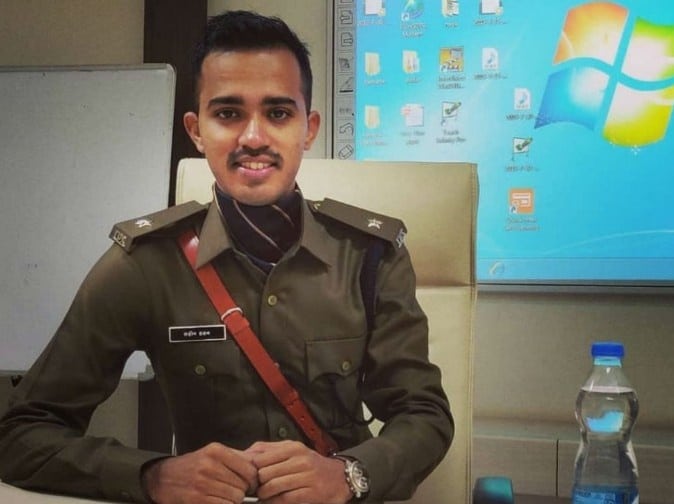
What makes his story stand out is not just his age. It is where he came from, what he overcame, and how he prepared.
Before we go into his full journey, here is a quick overview.
| Detail | Information |
|---|---|
| Full Name | Safin Hasan |
| Date of Birth | July 21, 1995 |
| Hometown | Kanodar, Palanpur, Gujarat |
| UPSC Year | 2018 |
| All India Rank | 570 |
| Age at Selection | 22 years |
| First Posting | ASP, Jamnagar, Gujarat |
| Attempt | First |
Safin Hasan: The Full Story Behind the Record
Safin Hasan grew up in a lower-middle-class family. His father worked as an electrician. His mother cooked in school kitchens to support the household.
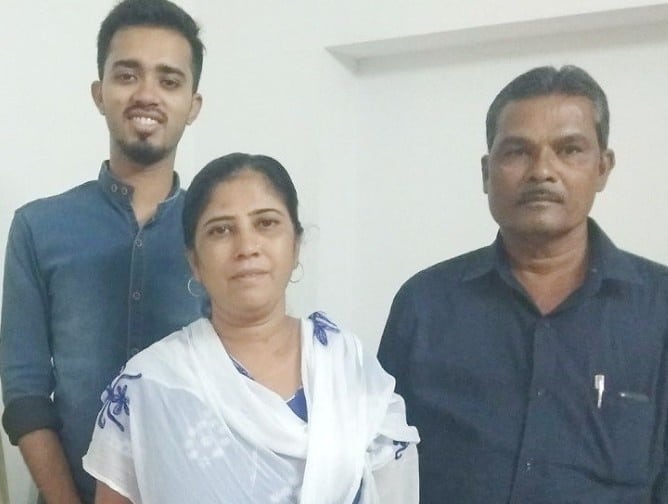
Money was always tight. There were no coaching centres nearby, no family connections in government, and no safety net if things went wrong.
Despite all of this, Safin was a strong student from the beginning. He scored 92% in both his 10th and 12th board exams while studying in a government school.
The Moment That Changed Everything
In interviews, Safin has spoken about one particular moment that shaped his career goal. He once saw the District Magistrate of Palanpur handle a public issue quickly and with authority.
That interaction left a deep impression. He thought, if he could clear the civil services exam, he could also help people the same way.
That was the moment he decided to aim for the IPS.
How He Prepared For UPSC
Safin began preparing while still in college. He did not have the luxury of expensive coaching. Instead, he relied on self-study, free online resources, and NCERTs.
To support his family during preparation, he also worked as a tuition teacher. So he was earning money and preparing at the same time.
During his preparation, he suffered a serious accident. Many people would have paused or given up. Safin continued.
He cleared the exam on his very first attempt, something that even well-funded candidates often fail to do.
Life After Joining the IPS
After clearing the exam, Safin completed his training at the Sardar Vallabhbhai Patel National Police Academy in Hyderabad. He was then posted as ASP in Jamnagar district.
His journey continues to inspire thousands of young aspirants across the country, especially those from small towns and modest backgrounds.
Top 7 Youngest IPS Officers in India
Here is a consolidated list of officers who joined the Indian Police Service at a notably young age.
| No. | Name | Age at Selection | UPSC Year | State/Cadre |
|---|---|---|---|---|
| 1 | Safin Hasan | 22 | 2018 | Gujarat |
| 2 | Sachin Atulkar | 22 | 2007 | Madhya Pradesh |
| 3 | Merin Joseph | 22 | 2012 | Kerala |
| 4 | S. Sushree | 22 | 2018 | Odisha |
| 5 | Kamyaa Mishra | 22 | 2019 | Bihar |
| 6 | Ajay Pratap Singh | 23 | 2015 | Uttar Pradesh |
| 7 | Pedditi Dhatri Reddy | 23 | 2018 | Telangana |
The UPSC Exam: How It Works
The Civil Services Examination has three stages.
- Prelims is the screening round. It has two papers: General Studies and CSAT. Only the GS marks count for qualification. CSAT is qualifying (you just need 33%).
- Mains is the real test. It has nine papers, including an essay, four GS papers, two optional subject papers, and two language papers. This is where most of the selection happens.
- The interview is the final stage. A board evaluates your personality, presence of mind, and understanding of issues. It carries 275 marks.
IPS is allocated based on your final rank and preference. It is part of the same exam through which IAS and IFS officers are selected. You do not take a separate exam for IPS.
Training at the National Police Academy
Clearing the exam does not make you an IPS officer immediately. You first undergo training at the Sardar Vallabhbhai Patel National Police Academy (SVPNPA) in Hyderabad.
The training lasts approximately 21 months. During this period, probationers receive a stipend of around Rs 40,000 to Rs 45,000 per month.
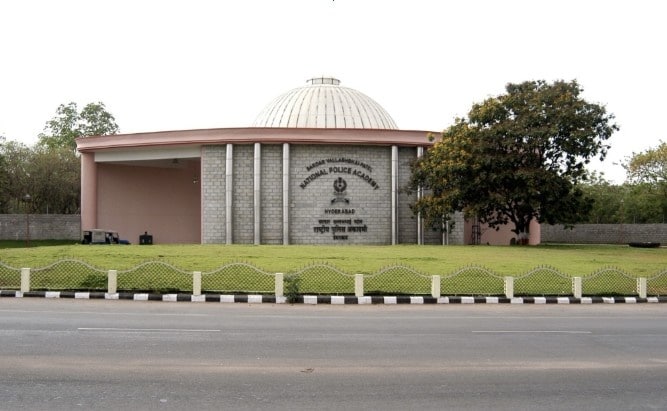
Training includes physical fitness drills, weapons training, law subjects, horse riding, field exercises, and exposure to real policing situations. It is demanding and designed to build both mental and physical toughness.
After completing training, officers are posted as Assistant Superintendent of Police (ASP) in their allotted cadre.
Realistic Tips to Crack UPSC at a Young Age
The youngest IPS officers in India did not follow a magic formula. But there are clear patterns in how they approached the exam. Here is what actually works, based on their journeys.
Start Preparing in Your Final Year of College
You become eligible at 21. If you wait until after graduation to start, you have already lost a year.
Safin Hasan, Sushree, and Kamyaa Mishra all began their preparation early. The earlier you start, the more attempts you have while still young.
Build a Daily Routine, Not Just a Study Plan
Toppers do not study 16 hours a day. They study consistently, every single day, without long breaks.
Safin balanced tuition work with UPSC preparation. He could not afford to waste time. That discipline mattered more than the number of hours.
Pick Your Optional Subject Carefully
Your optional subject can make or break your mains score. Choose something you understand well, not something that is trending.
Talk to previous toppers, look at past year scoring patterns, and test yourself before finalising.
Practise Answer Writing from the Start
This is where most young aspirants lose marks. They read extensively but do not practise writing answers under time pressure.
Make answer writing a weekly habit from month one. Get your answers reviewed if possible.
Do Not Ignore Physical Fitness
The IPS selection process includes a physical test. You need to meet specific standards for height, chest, and eyesight.
Regular exercise, a balanced diet, and a consistent fitness routine are not optional. They are part of the job.
Conclusion: Safin Hasan is the Youngest IPS Officer in India
The youngest IPS officers in India share one thing in common. They started early, stayed disciplined, and refused to let circumstances define their limits.
If you are serious about this path, understand the process clearly, begin your preparation with a realistic plan, and commit to it daily.
The exam is tough, but it rewards consistency. Every year, candidates from small towns and difficult backgrounds clear this exam. There is no reason you cannot be one of them.
FAQs
Safin Hasan is the youngest IPS officer in India. He cleared the UPSC exam in 2018 at the age of 22.
Merin Joseph and S. Sushree are among the youngest female IPS officers. Both cleared the UPSC exam at the age of 22.
The minimum age to appear for the UPSC exam is 21 years. If you clear it in your first attempt, you can become an IPS officer by 22.
You can appear for the exam at 21. However, after clearing all three stages and completing training, you would typically be around 22 or 23 when you actually join as an officer.
General category candidates get 6 attempts, OBC candidates get 9, and SC/ST candidates can attempt until the upper age limit.
The starting basic pay is Rs 56,100 per month. With allowances, the in-hand salary ranges from Rs 80,000 to Rs 1,00,000 per month.
Both services are selected through the same UPSC exam. The difficulty is identical. The only difference is rank preference. Higher-ranked candidates typically choose IAS first, but many candidates specifically prefer IPS because of the nature of the work.
Selected candidates are trained at the Sardar Vallabhbhai Patel National Police Academy in Hyderabad for approximately 21 months. Training covers physical fitness, weapons handling, law, field operations, and leadership skills.