If you clear only the Prelims paper and skip Mains, UPSC still counts it as one attempt. That single rule trips up more aspirants than the age limit itself.
So, how many attempts for UPSC does a candidate actually get? The answer depends on your category. General candidates get 6, OBC candidates get 9, and SC/ST candidates get unlimited attempts, as long as they stay within their age limit.
But the number alone doesn’t tell you much. What counts as an attempt, how age and attempts work together, and how many you should realistically plan for matter far more. Let’s go through all of it.
How Many Attempts Does UPSC Allow? (Quick Answer)
Here’s the short version before we get into the details.
- General/EWS category: 6 attempts
- OBC category: 9 attempts
- SC/ST category: Unlimited attempts
- PwBD category: 9 or unlimited, depending on your social category
Each of these is capped by an age limit too. Cross an age ceiling, and your remaining attempts don’t matter anymore.
UPSC Attempt Limit: Category-Wise Table
This table gives you the complete picture in one place.
| Category | Maximum Attempts | Upper Age Limit |
|---|---|---|
| General / EWS | 6 | 32 years |
| OBC (Non-Creamy Layer) | 9 | 35 years |
| SC/ST | Unlimited | 37 years |
| PwBD (General/OBC) | 9 | 42 to 45 years |
| PwBD (SC/ST) | Unlimited | 47 years |
| Ex-servicemen | 9 | 37 to 40 years |
Age is always calculated as on August 1 of the exam year, not your birthday or the application date.
These numbers come from the official UPSC CSE notification. Since relaxation rules get revised occasionally, always check the current year’s notification before you plan your attempts.
Why the Attempt Count Differs by Category
This isn’t arbitrary. It follows India’s reservation policy, which gives OBC and SC/ST candidates extra age and attempt relaxation to offset historical access gaps.
Whether you agree with the policy or not, it decides your eligibility. So it’s worth knowing where you stand before you plan your prep.
What Counts as “One Attempt” for UPSC?
You get counted as having attempted the exam the moment you sit for even one paper of Prelims. That’s it. Nothing else needs to happen for it to count.

Here’s what does and doesn’t count as an attempt:
- Appearing for even one paper of Prelims: counts as an attempt
- Filling the application form but not appearing: does not count
- Clearing Prelims but skipping Mains: counts as an attempt
- Appearing for Mains but missing the interview: counts as an attempt
- Being disqualified for using unfair means: counts as an attempt
So if you’re asking how many attempts for UPSC prelims you get before it’s officially recorded, the answer is one. Just showing up for a single paper locks it in.
A lot of aspirants believe skipping Mains “saves” their attempt. It doesn’t. Once you’ve sat for Prelims, that year is gone from your count, pass or fail.
Attempts and Age Limit: How They Actually Work Together
Most aspirants track these two numbers separately. That’s a mistake, because UPSC applies whichever limit hits first.
Say you’re from the OBC category. You get 9 attempts and can appear till age 35. But if you turn 35 after using only 6 attempts, you’re still out.

The reverse also happens. A General candidate can hit 6 attempts by age 26 and be done, well before the age ceiling of 32 arrives.
This is exactly why knowing how many attempts for the UPSC age limit combination matters more than knowing either number alone.
What If You Exhaust All Your UPSC Attempts?
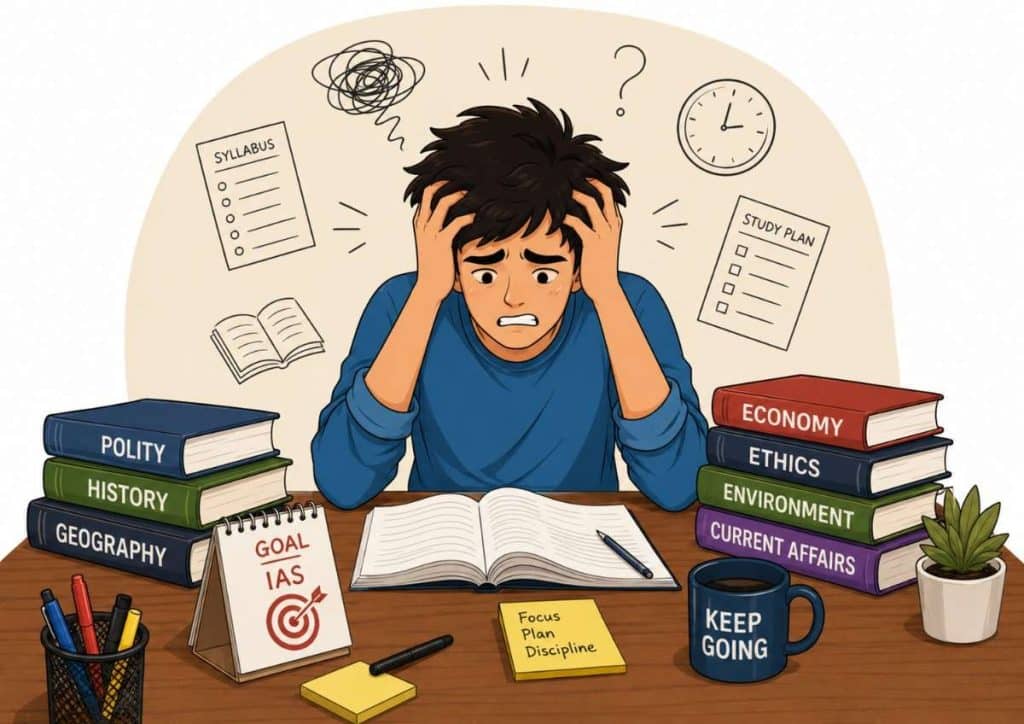
Once you’ve used up your allowed attempts or crossed the age ceiling, UPSC CSE is closed to you. There’s no appeal process for this.
Some candidates move to State Public Service Commissions instead, since many of these have separate, often more relaxed, age and attempt rules. Others explore RBI Grade B, banking exams, or teaching services.
None of these replace the IAS or IPS, but they’re realistic paths if your UPSC window has closed.
How Many UPSC Attempts Should You Actually Plan For?
Data from past results shows successful candidates usually clear UPSC in their second, third, or fourth attempt, not their first. First-attempt selections happen, but they’re the exception.
That’s not meant to discourage you. It’s meant to set realistic expectations so one failed attempt doesn’t feel like the end of the road.
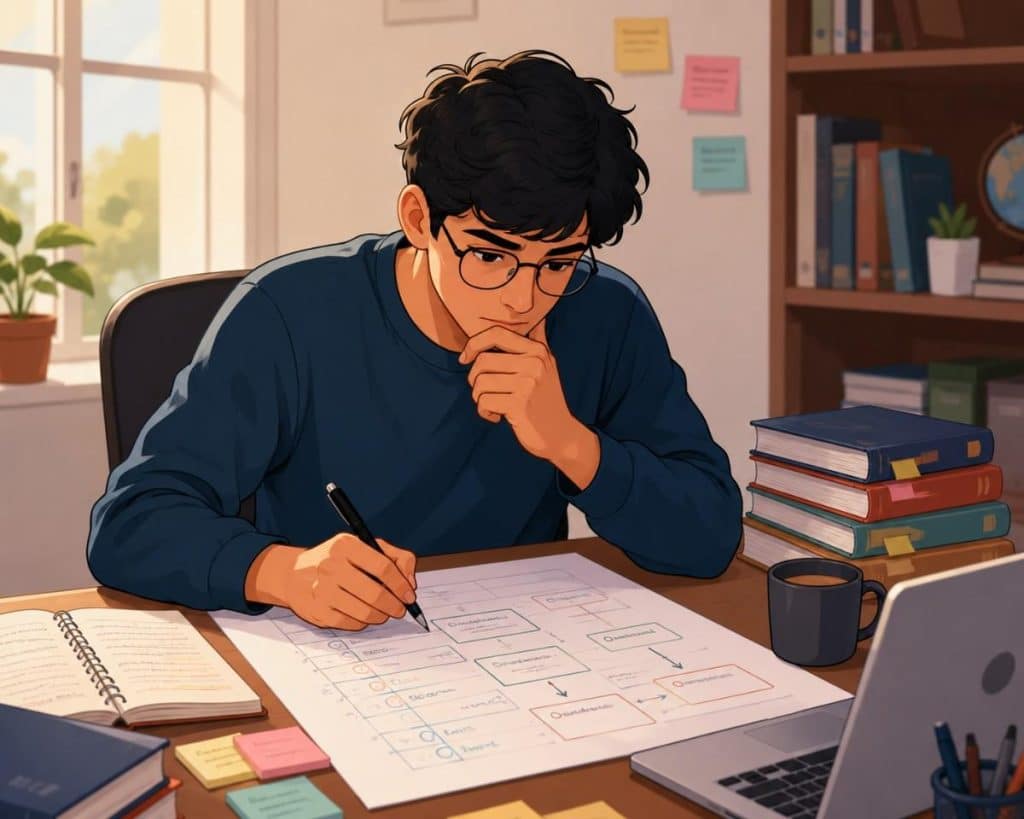
A few honest markers to help you decide your own path:
- If your Mains scores are improving each attempt, you’re on the right track. Keep going.
- If your Prelims score has plateaued for two attempts in a row, change your strategy before your next one.
- If you’re appearing without a real study plan just to “use up” an attempt, stop. That attempt is gone either way, so make it count.
- If you’ve cleared Mains and reached the interview stage even once, that’s strong proof your preparation direction works.
And a question aspirants rarely ask early enough: how many attempts for the UPSC interview stage are actually possible? There’s no separate cap. Every time you clear Mains, you get an interview call, counted within your overall attempt limit.
Treat every attempt as a real shot, not a practice round. UPSC doesn’t distinguish between a serious attempt and a casual one when it updates your count.
Conclusion: UPSC Attempts Depend on Your Category and Age
To sum it up: General candidates get 6 attempts, OBC candidates get 9, and SC/ST candidates get unlimited attempts, all bound by their respective age limits. But the number on paper matters less than how you use each attempt.
What counts as an attempt, how age and attempt limits interact, and treating every appearance as a genuine effort rather than a placeholder will shape your UPSC journey far more than the count itself.
FAQs
No. UPSC counts an attempt only when a candidate appears in the Preliminary Examination. Without appearing in Prelims, no attempt is counted.
Yes. EWS candidates follow the General category rules, with a maximum of 6 attempts and an upper age limit of 32 years.
No. Once an attempt is counted according to UPSC rules, it cannot normally be restored, cancelled, or reversed under regular circumstances.
Yes, it counts as an attempt, but it is not wasted. Reaching the interview stage indicates strong preparation and significant progress.
General category candidates get 6 attempts until age 32. OBC (Non-Creamy Layer) candidates get 9 attempts until age 35 with a valid certificate.