Every Indian banknote carries the signature of one person. That person is the Reserve Bank of India Governor.
Since 1935, 26 individuals have held this position, and each one has shaped the country’s economy in ways that affect your savings, your loans, and the price of everything you buy.
The current Reserve Bank of India Governor is Sanjay Malhotra, the 26th governor, who took charge on December 11, 2024.
This article gives you the complete RBI governors list, their tenures, what each one is remembered for, and everything else you need to know about the role.
Complete RBI Governor List of India (1935 to 2026)
The Reserve Bank of India was established on April 1, 1935, under the RBI Act of 1934. It started as a privately owned institution and was nationalised on January 1, 1949.
Here is the complete list of RBI governors with tenures.
| No. | Name | Tenure |
|---|---|---|
| 1 | Sir Osborne Smith | April 1935 – June 1937 |
| 2 | Sir James Taylor | July 1937 – February 1943 |
| 3 | C.D. Deshmukh | August 1943 – June 1949 |
| 4 | Benegal Rama Rau | July 1949 – January 1957 |
| 5 | K.G. Ambegaonkar | January 1957 – February 1957 |
| 6 | H.V.R. Iengar | March 1957 – February 1962 |
| 7 | P.C. Bhattacharya | March 1962 – June 1967 |
| 8 | L.K. Jha | July 1967 – May 1970 |
| 9 | B.N. Adarkar | May 1970 – June 1970 |
| 10 | S. Jagannathan | June 1970 – May 1975 |
| 11 | N.C. Sen Gupta | May 1975 – August 1975 |
| 12 | K.R. Puri | August 1975 – May 1977 |
| 13 | M. Narasimham | May 1977 – November 1977 |
| 14 | I.G. Patel | December 1977 – September 1982 |
| 15 | Manmohan Singh | September 1982 – January 1985 |
| 16 | A. Ghosh | January 1985 – February 1985 |
| 17 | R.N. Malhotra | February 1985 – December 1990 |
| 18 | S. Venkitaramanan | December 1990 – December 1992 |
| 19 | C. Rangarajan | December 1992 – November 1997 |
| 20 | Bimal Jalan | November 1997 – September 2003 |
| 21 | Y.V. Reddy | September 2003 – September 2008 |
| 22 | D. Subbarao | September 2008 – September 2013 |
| 23 | Raghuram Rajan | September 2013 – September 2016 |
| 24 | Urjit Patel | September 2016 – December 2018 |
| 25 | Shaktikanta Das | December 2018 – December 2024 |
| 26 | Sanjay Malhotra | December 2024 – Present |
Now let us look at the one thing each governor is best remembered for over the years.
RBI Governors Before Independence (1935 to 1947)
India had only two RBI governors before independence. Both were British appointees, and the central bank functioned largely as an extension of the colonial financial system.
| S. No. | Name | Tenure | Key Highlight |
|---|---|---|---|
| 1 | Sir Osborne Smith | April 1935 – June 1937 | First RBI Governor. Resigned before completing his term due to differences with the government over exchange rate policy. Never signed any banknote. |
| 2 | Sir James Taylor | July 1937 – February 1943 | Led the RBI through World War II. Oversaw the shift from silver currency to fiat money. Died in office during his second term. |
RBI Governors After Independence (1947 to 2000)
After independence, the RBI’s role expanded dramatically. It was no longer just a currency manager. It became a tool for nation building, financial inclusion, and economic planning.
| S. No. | Name | Tenure | Key Highlight |
|---|---|---|---|
| 3 | C.D. Deshmukh | August 1943 – June 1949 | First Indian RBI Governor. Represented India at Bretton Woods (1944). Oversaw RBI nationalisation in 1949. Later became Finance Minister. |
| 4 | Benegal Rama Rau | July 1949 – January 1957 | Longest-serving Governor. Oversaw creation of State Bank of India from Imperial Bank. Resigned over differences with the Finance Minister. |
| 5 | K.G. Ambegaonkar | January 1957 – February 1957 | Interim Governor for 45 days. Did not sign any banknotes. |
| 6 | H.V.R. Iengar | March 1957 – February 1962 | Introduced the decimal coinage system. Introduced deposit insurance, making India an early adopter. |
| 7 | P.C. Bhattacharya | March 1962 – June 1967 | Established IDBI and UTI in 1964. Oversaw rupee devaluation of 1966. |
| 8 | L.K. Jha | July 1967 – May 1970 | Tenure saw nationalisation of 14 major banks in 1969; RBI did not endorse the decision. |
| 9 | B.N. Adarkar | May 1970 – June 1970 | Interim Governor for about six weeks. Helped establish National Institute of Bank Management. |
| 10 | S. Jagannathan | June 1970 – May 1975 | Managed monetary policy during the 1973 oil crisis and resulting inflation. |
| 11 | N.C. Sen Gupta | May 1975 – August 1975 | Served as Governor for only three months as a stopgap appointment. |
| 12 | K.R. Puri | August 1975 – May 1977 | Set up Regional Rural Banks. Launched Asian Clearing Union operations. |
| 13 | M. Narasimham | May 1977 – November 1977 | Only Governor appointed from RBI’s own cadre. Later chaired major banking reform committees (1991 & 1998). |
| 14 | I.G. Patel | December 1977 – September 1982 | Oversaw 1978 high denomination note demonetisation. Six more banks were nationalised during his tenure. |
| 15 | Manmohan Singh | September 1982 – January 1985 | Later became Finance Minister (1991) and Prime Minister (2004). Led economic liberalisation as Finance Minister. |
| 16 | A. Ghosh | January 1985 – February 1985 | Shortest-serving Governor, holding office for only 20 days. |
| 17 | R.N. Malhotra | February 1985 – December 1990 | Developed money markets and established National Housing Bank. |
| 18 | S. Venkitaramanan | December 1990 – December 1992 | Guided India through the 1991 balance of payments crisis. |
| 19 | C. Rangarajan | December 1992 – November 1997 | Ended automatic monetisation of government debt. Unified exchange rate and strengthened RBI’s professionalism. |
RBI Governors in the 21st Century (2000 to Present)
The 21st century brought globalisation, digital payments, inflation targeting, and far greater public scrutiny. The Reserve Bank of India Governor became one of the most watched figures in Indian public life.
| S. No. | Name | Tenure | Key Highlight |
|---|---|---|---|
| 20 | Bimal Jalan | November 1997 – September 2003 | Guided India through the 1997 Asian financial crisis. Improved central bank communication transparency. |
| 21 | Y.V. Reddy | September 2003 – September 2008 | Conservative lending rules helped shield Indian banks from the 2008 global financial crisis. |
| 22 | D. Subbarao | September 2008 – September 2013 | Managed the global financial crisis impact, high inflation, and rupee depreciation. |
| 23 | Raghuram Rajan | September 2013 – September 2016 | Stabilised the rupee early in his tenure. Introduced inflation targeting and conducted Asset Quality Review of banks. |
| 24 | Urjit Patel | September 2016 – December 2018 | First Governor under the Monetary Policy Committee framework. Overshadowed by the 2016 demonetisation; resigned before completing term. |
| 25 | Shaktikanta Das | December 2018 – December 2024 | Longest-serving 21st-century Governor (6 years). Led RBI during COVID-19 and oversaw UPI’s international expansion. |
| 26 | Sanjay Malhotra | December 2024 – Present | Current RBI Governor. Began a rate-cutting cycle from February 2025, reducing the repo rate by 125 basis points. |
What Does the RBI Governor Actually Do?
The RBI Governor heads India’s central bank. In simple terms, this person decides the direction of the country’s monetary policy.
When the RBI Governor raises or lowers interest rates, it directly changes your home loan EMI, the returns on your fixed deposits, and how expensive or affordable borrowing money becomes across the country. Therefore, the Governor’s decisions have a direct impact on the daily financial lives of millions of people.
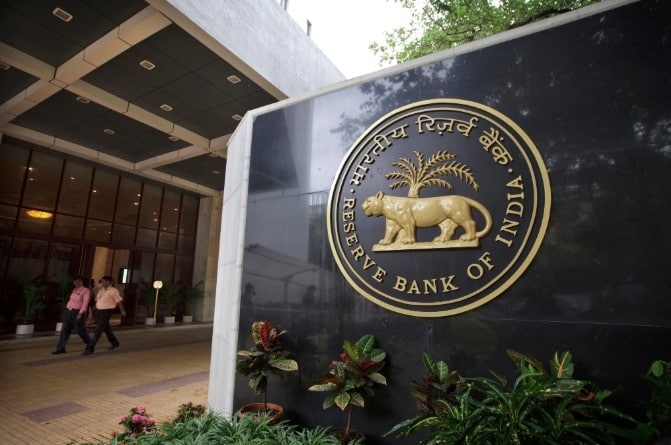
But the job goes beyond interest rates. The Governor oversees banking regulation, manages India’s foreign exchange reserves, controls the supply of money in the economy, and works to keep inflation in check.
When prices of everyday items rise sharply, the RBI Governor is often the first person held accountable; consequently, the Governor plays a crucial role in managing inflation and maintaining economic stability.
RBI Governors Who Made the Biggest Impact
Out of 26 governors, a handful made decisions that changed the course of India’s economy. Here are the ones whose tenures defined entire eras.
- C.D. Deshmukh was India’s first RBI Governor; moreover, he represented India at the Bretton Woods Conference in 1944. Subsequently, he oversaw the nationalisation of the RBI and later served as Finance Minister, thereby leaving a lasting mark on India’s financial architecture.
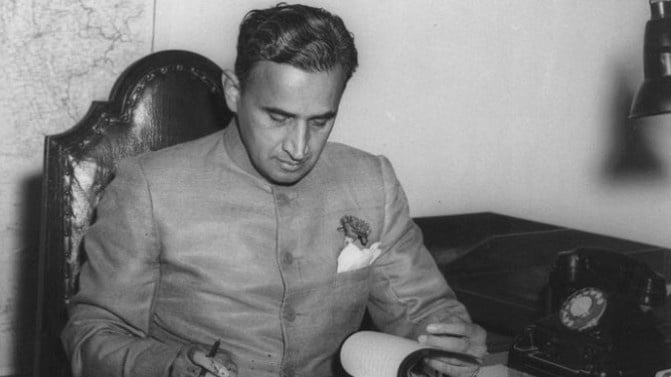
- Benegal Rama Rau had the longest RBI tenure, strengthened cooperative credit systems, oversaw Imperial Bank’s transformation into SBI, and resigned after a dispute with the Finance Minister, highlighting central bank autonomy.
- Manmohan Singh served as RBI Governor from 1982 to 1985. His tenure was quiet, but he later became Finance Minister and led the 1991 economic reforms that opened India’s economy to global markets.
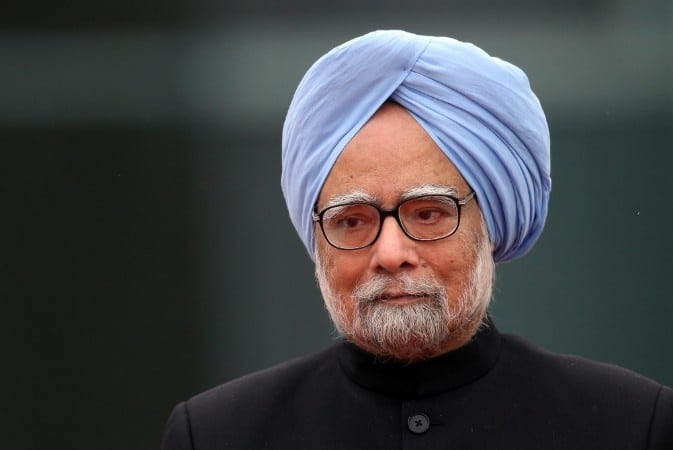
- Y.V. Reddy is credited with protecting Indian banking before the 2008 crisis through conservative lending rules. His policies limited toxic asset exposure, helping Indian banks remain stable while global banks struggled.
- Raghuram Rajan revived confidence in the RBI by stabilising the rupee soon after taking charge. He introduced inflation targeting and the Asset Quality Review, exposing bad loans and reshaping India’s monetary policy framework.
- Shaktikanta Das guided the RBI through COVID-19’s economic turmoil, balancing lockdown challenges and financial stress. His tenure saw UPI’s global rise, digital payments expansion, and one of the longest 21st-century terms as Governor.
How Is the RBI Governor Appointed?
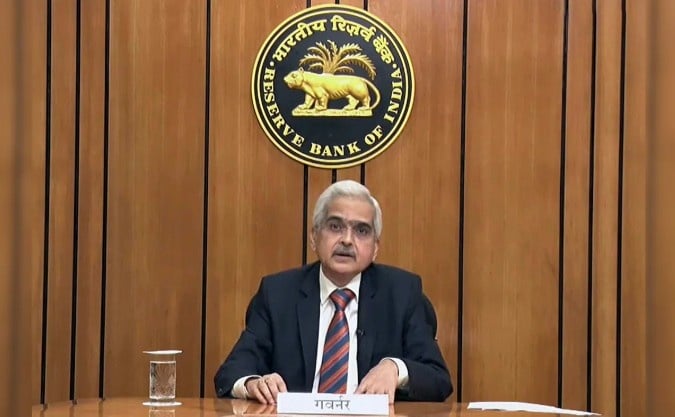
The RBI Governor is appointed by the central government under Section 8(1)(a) of the Reserve Bank of India Act, 1934. The Appointments Committee of the Cabinet (ACC), headed by the Prime Minister, makes the final decision.
The Financial Sector Regulatory Appointments Search Committee (FSRASC) shortlists candidates and submits a panel of names to the ACC. There are no specific educational qualifications or age requirements written into the Act for this role.
The standard tenure is three years, but extensions are common. Shaktikanta Das, for example, was initially appointed for three years in 2018 and received a three-year extension in 2021.
Some Interesting Facts About RBI Governors
Here are some lesser-known details about the people who have led India’s central bank.
- Shortest tenure: A. Ghosh served as Governor for just 20 days in January 1985. He was a stopgap appointment between Manmohan Singh and R.N. Malhotra.
- Longest tenure: Benegal Rama Rau served for about seven and a half years (July 1949 to January 1957), making him the longest-serving Reserve Bank of India Governor in history.
- First Indian Governor: C.D. Deshmukh, who took charge in August 1943, four years before independence.
- Governors who resigned early: Sir Osborne Smith (1937), Benegal Rama Rau (1957), and Urjit Patel (2018) all resigned before completing their terms. In each case, differences with the government were widely reported as the reason.
- Governor who became Prime Minister: Manmohan Singh served as RBI Governor (1982 to 1985), then as Finance Minister (1991 to 1996), and finally as Prime Minister of India (2004 to 2014).
- Only internal appointee: M. Narasimham (1977) is the only Governor who rose through the RBI’s own ranks. He joined the bank as a Research Officer. Every other Governor came from outside, typically from the civil services, academia, or international organisations.
- Governors who never signed banknotes: Sir Osborne Smith and K.G. Ambegaonkar both served as Governors, but their signatures never appeared on Indian currency.
Conclusion: 26 Governors, 91 Years and One Institution Shaping India’s Economic Journey
The Reserve Bank of India has been led by civil servants, economists, bankers, and academics. Each brought a different perspective to Mint Street, and each left a mark on how India manages its money. What makes this list more than just names and dates is the story it tells.
From colonial-era currency management to pandemic-era digital payments, the RBI Governor’s chair has always been at the centre of India’s economic story.
Understanding this list is understanding how India’s financial system got to where it is today.
FAQs
Sanjay Malhotra is the current RBI Governor. He assumed office on December 11, 2024, succeeding Shaktikanta Das as the 26th Governor of the Reserve Bank of India.
Sir Osborne Smith was the first Governor of the Reserve Bank of India. He served from April 1935 to June 1937, after the RBI began operations in 1935.
C.D. Deshmukh was the first Indian Governor of the RBI. He took charge in August 1943 and played an important role during India’s pre-independence financial administration.
The Reserve Bank of India has had 26 Governors from its establishment in 1935 to 2026, including both British and Indian appointees.
The RBI Governor normally serves a three-year term. However, the government may extend the tenure depending on administrative requirements and policy considerations.
The RBI Governor is appointed by the Appointments Committee of the Cabinet (ACC) under the provisions of the Reserve Bank of India Act, 1934.
A. Ghosh served the shortest tenure as RBI Governor, holding office for only 20 days from January to February 1985.
Benegal Rama Rau served the longest tenure as RBI Governor, leading the institution for approximately seven and a half years from July 1949 to January 1957.