An IAS (Indian Administrative Service) officer is a government administrator who handles policy work, runs district offices, manages public money, and looks after citizen welfare at different government levels.
These officers form the backbone of Indian administration, keeping government work running across the country.
Entry into this respected service happens through the UPSC Civil Services Examination, one of India’s toughest competitive exams. The role brings high prestige along with serious responsibilities that affect millions of people daily.
This article explains what IAS officers actually do, their career growth, and how they shape public governance in India.
Key Takeaway: What Is The Work of IAS Officer?
- Policy makers who create and carry out government plans at the district, state, and national levels.
- District heads who handle land records, development work, and public welfare programs.
- Emergency handlers who keep the peace during crises and natural disasters.
- Money managers who plan budgets and make sure public funds are spent properly.
- Link between government and people, turning political ideas into real action on the ground.
Core Responsibilities of an IAS Officer
IAS officers work in many areas, from local administration to big policy decisions, making their job both tough and meaningful.
The Indian Administrative Service (IAS) is the main civil service of the Government of India, given the most important administrative tasks that keep the nation working well.
1. Policy Formulation and Implementation
IAS officers write government policies after studying problems and ground realities carefully. They turn the ideas of elected leaders into workable administrative plans that can be executed.
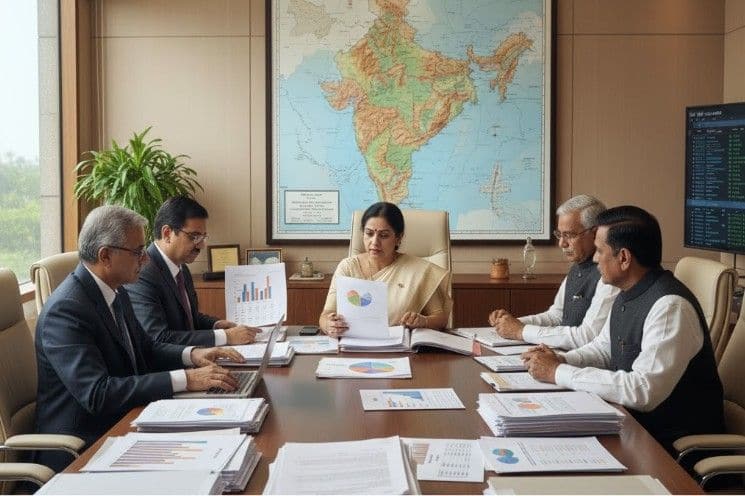
Officers guide ministers on policy choices, sharing their technical knowledge and telling them what can actually be done. This job needs to balance what politicians want with what can practically work while making sure policies help the public.
2. District Administration
As District Magistrate (DM) or District Collector, an IAS officer becomes the top administrative boss of a district. They collect revenue, keep land records updated, and solve land fights through proper documentation.
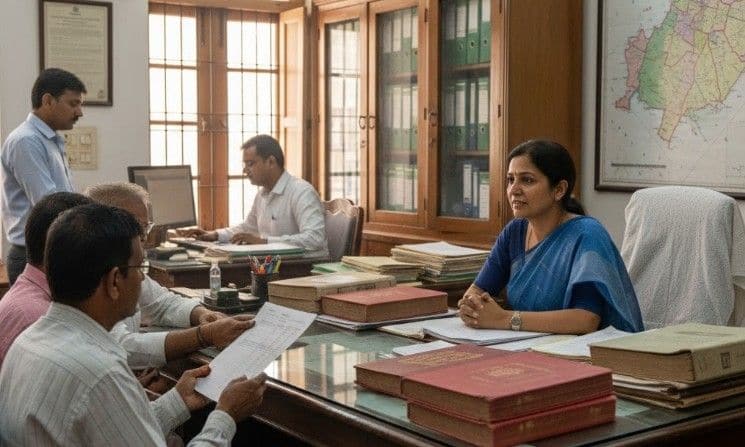
Officers watch over central and state government development projects, making sure welfare schemes reach the right people.
The DM brings together different departments, making district administration the most visible and important role in an IAS officer’s career.
3. Law and Order Maintenance
IAS officers work as Executive Magistrates with powers to keep public peace and order. They work closely with police during emergencies, riots, or community tensions, giving administrative help and legal authority.
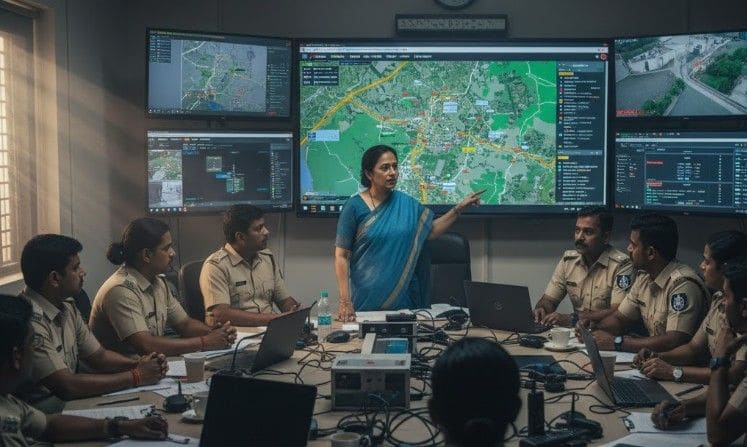
Officers lead crisis and disaster control operations during floods, earthquakes, or disease outbreaks, gathering resources and making sure relief reaches affected people quickly.
This job demands fast decisions under pressure and good coordination between different agencies.
4. Financial Management
Officers handle budget planning and money distribution for their areas, making sure public funds are used in the best way. They manage government spending, approve money proposals, and check department budgets to stop misuse.
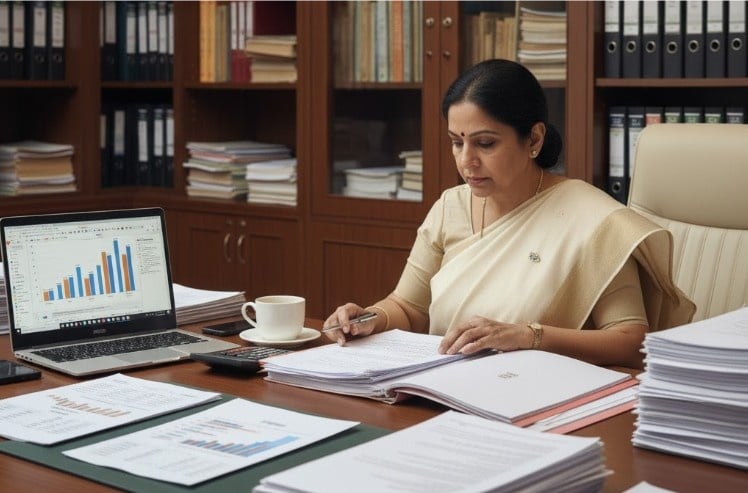
Making sure there is accountability and openness in money matters is critical, as officers must explain how every rupee from public funds was spent. This needs understanding complex money rules and keeping detailed records for checking purposes.
IAS Officer Career Progression and Ranks
The career path of an IAS officer follows a clear ladder with regular promotions and growing responsibilities at each step.
The Civil Services Exam (CSE), run by the Union Public Service Commission (UPSC), is the entry point to this career, with only a few hundred candidates chosen yearly from lakhs of students.
Let’s take a look at the IAS Officer Career Hierarchy:
| Rank | Experience | Basic Salary (₹) |
|---|---|---|
| Sub-Divisional Magistrate (SDM) | Entry-level | 56,100 |
| District Magistrate (DM) | 5-9 years | 67,700-78,800 |
| Divisional Commissioner | 13+ years | 1,44,200 |
| Secretary/Chief Secretary | 20+ years | 1,82,200-2,25,000 |
| Cabinet Secretary | 37+ years | 2,50,000 |
Selected candidates go through tough training at LBSNAA (Lal Bahadur Shastri National Academy of Administration) in Mussoorie, where they learn administrative law, public policy, and field management.
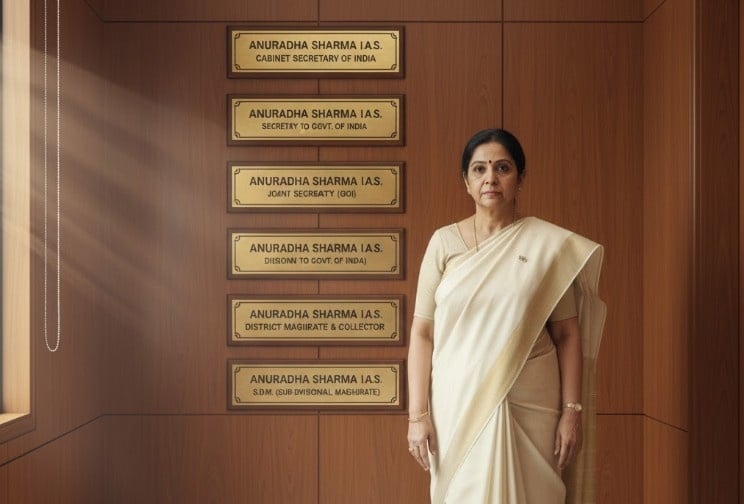
Officers get regular promotions roughly every 4-5 years based on how well they work and their seniority. The career moves in a clear path from field postings (district-level jobs) to secretariat positions (policy-making jobs at state and central levels).
Senior officers may work as Principal Secretaries, Chief Secretaries of states, or Secretaries in central ministries, having major influence over how the government runs.
Suggested Reads:
Conclusion: IAS Officers Handle Administration, Policies, & Public Order Management
IAS officers work as the important link between government policies and citizen welfare, keeping administration running smoothly, no matter which political party is in power.
Their varied role goes from managing districts to shaping national policies, needing flexibility and leadership at every stage. The position offers real authority alongside equally serious accountability, where choices made affect millions of lives every single day.
Building a successful career as an IAS officer demands complete dedication, ethical conduct, and a willingness to keep learning throughout your service years.
FAQs
IAS officers carry out government policies, run district administration, handle revenue collection, keep law and order, and make sure public welfare schemes reach citizens properly at different administrative levels.
The Cabinet Secretary is the highest position, working as the top civil servant who heads the Indian Administrative Service and guides the Prime Minister on administrative matters at the national level.
The Cabinet Secretary holds the topmost position among all IAS officers, currently responsible for bringing together policy work across all central government ministries and departments with the highest administrative authority.
IAS officers handle general administration, policy work, and revenue management, while IPS (Indian Police Service) officers specifically manage law enforcement, criminal investigations, and police force administration across their areas.
IAS officer salaries follow the 7th Pay Commission structure, starting at ₹56,100 for entry-level positions and going up to ₹2,50,000 for Cabinet Secretary, plus allowances, housing, and other benefits based on where they are posted.