The IAS exam doesn’t judge you by where you come from. Many IAS aspirants, like Govind Jaiswal, who studied under a street lamp and ranked 48th. Ansar Shaikh sold vegetables before becoming India’s youngest IAS officer.
Awanish Sharan failed his state exam ten times before getting rank 77 in UPSC. These stories are proof that this exam rewards hard work, not money or connections. It tests if you can keep going when things get tough.
Here are real people, real ranks, and real methods that actually worked for them.
IAS Officers Who Overcame Money Problems
Not having money doesn’t stop you from becoming an IAS officer. It makes things harder, but it doesn’t decide your future. Here are three people who showed that being poor cannot stop you if you’re ready to work.
1. Govind Jaiswal
Govind Jaiswal lived in a single room in Varanasi with his whole family. His father worked daily jobs and earned very little money. He studied under street lights because there was no power at home, and books were all he had.

In 2006, he got rank 48 in his first try without going to any coaching center. He didn’t have expensive courses, but he knew what to study and stayed focused every day.
This is why being smart with what you have beats having everything handed to you.
2. Ansar Shaikh
Ansar Shaikh sold vegetables on Mumbai streets to help his family while studying for UPSC with borrowed books and free videos. He passed the exam in 2016 at just 21 years old with rank 361, becoming the youngest IAS officer in India.
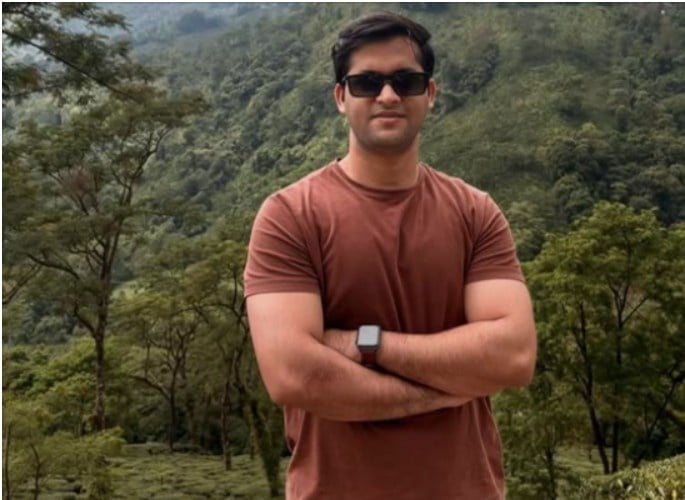
His father worked as a night watchman to keep food on the table. Ansar didn’t waste time feeling sorry for himself or waiting for things to get easier.
He just studied whenever he could, and showed that even a few good hours can beat someone else’s whole day if you use them right.
3. Sreedhanya Suresh
Sreedhanya Suresh grew up in a poor family in Kerala, where most girls weren’t expected to study much. She had no money, studied in her local language, and had nobody to catch her if she failed.

In 2018, she got a rank of 410 after years of studying on her own. She learned in Malayalam and only switched to English in college, which was really hard at first.
Her success proves that the language you grew up speaking doesn’t limit how far you can go, and that learning to adapt matters more than starting with every advantage.
IAS Success Stories of Students Who Struggled in School
How you did in school doesn’t decide if you’ll crack UPSC. Many IAS officers were once called weak students. They changed that story by preparing the right way and refusing to give up.
4. Awanish Sharan
Awanish Sharan scored only 44.7% in Class 10. Nobody expected anything from him, and he believed them for a long time. He failed the state exam ten times before passing UPSC in 2009 with rank 77.
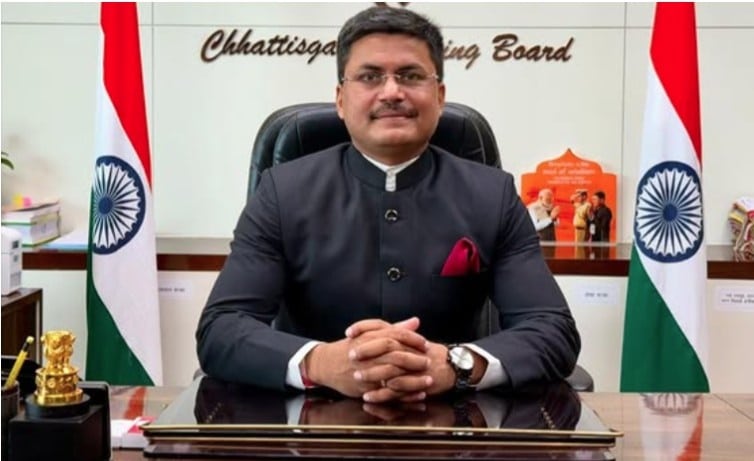
His story teaches that you should treat every failure as a lesson, not as proof that you’re not good enough. He learned something from each failure and kept trying, proving that trying again beats being naturally smart.
5. Nitin Shakya
Nitin Shakya’s school asked him not to take the board exam because they thought he would fail and make the school look bad. That rejection could have broken him, but instead made him want to prove everyone wrong.
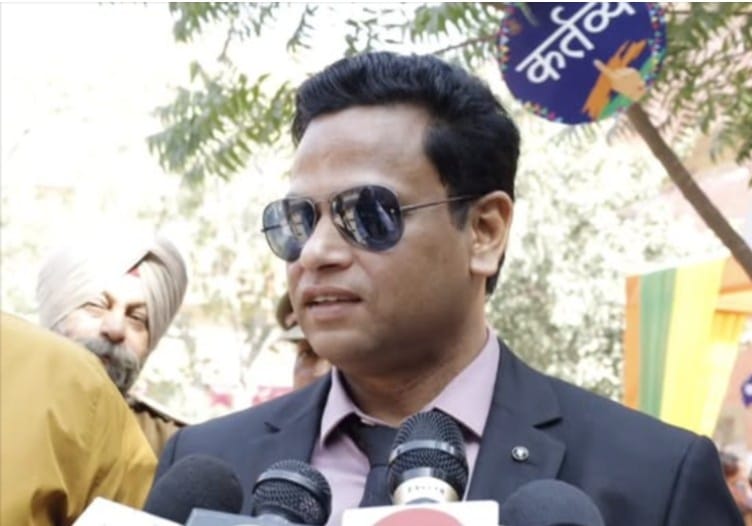
He became a doctor first, then studied for UPSC while still working as a doctor. In 2017, he became an IAS officer when nobody saw it coming. His marks from school never changed, but the way he learned did.
UPSC Success Stories of People Who Had Jobs
Many people think you must quit your job to crack UPSC, while these officers showed that managing your time well beats having all the time in the world.
6. Animesh Pradhan
Animesh Pradhan worked full-time at Indian Oil Corporation and got rank 2 in 2023 in his first try without taking even one day off.
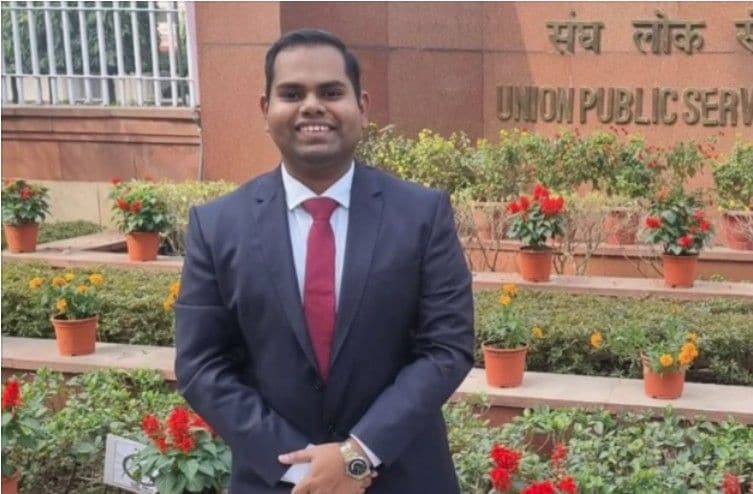
He made a tight plan and studied before work, after work, and during breaks, using every free minute he could find. This is evidence that a few focused hours beat many distracted hours, and that having less time forces you to be smarter.
7. Kajal Jawla
Kajal Jawla worked in offices for nine years before trying UPSC without leaving her safe job. She was married and working full days when she decided to prepare while handling home duties too.
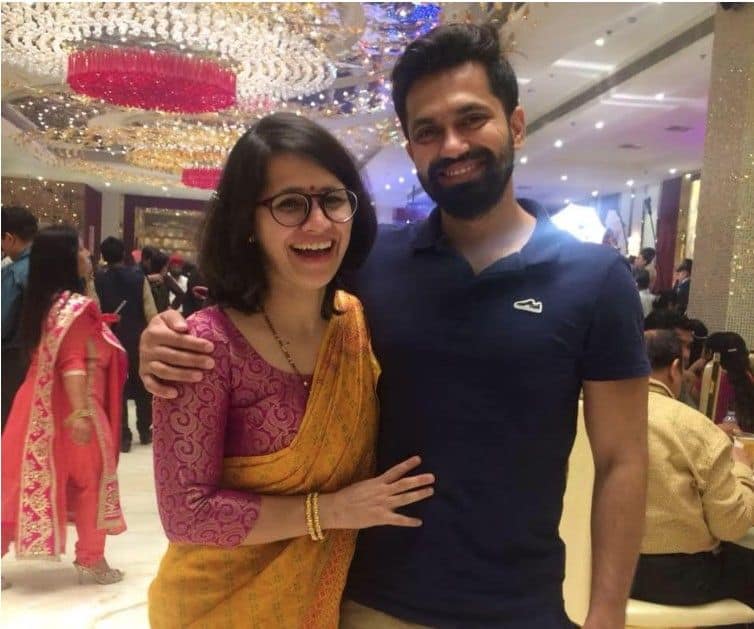
In 2018, she got rank 28 by studying during hours that most people waste on their phones. She studied while traveling to work and late at night after finishing everything else, turning boring commute time into learning time.
She didn’t wait for the right time or perfect situation to start. She made it work with whatever hours she could take from her busy life.
What Can You Learn from IAS Toppers?
Every topper has their own story, but the way they prepared has some things in common that really work when you sit for the exam.
Most successful people study 6 to 8 focused hours, not 12 unfocused hours. They pick optional subjects they like and can find good material for, not what’s popular. Going over what you studied matters more than reading new books all the time.
They prepare for Prelims, Mains, and Interview together instead of treating them as different exams. Most toppers pass UPSC in two to three tries. Studying every day beats studying too hard and burning out.
What All IAS Success Stories Have in Common
What separates those who clear UPSC from those who don’t isn’t talent or resources; it’s habits that anyone can build, like:
- Consistency over intensity: They studied the same hours daily instead of studying 15 hours one day and zero the next.
- Failure as feedback, not defeat: Every failed attempt taught them what to fix in their next try.
- Strong answer-writing practice: They wrote practice answers regularly, not just read theory, and hoped it would work.
- Mental resilience and family support: They stayed mentally strong through doubt and pressure, often because family believed in them when they didn’t believe in themselves.
These aren’t extraordinary qualities. They’re choices you make every single day until they become automatic.
Conclusion: Success Stories Of IAS Aren’t Myths; They’re Blueprints Anyone Can Follow
These IAS success stories aren’t about feeling inspired. They’re about seeing proof that it works.
Govind studied under street lights. Ansar sold vegetables. Awanish failed ten times. Animesh kept his job. They didn’t start with advantages. They had a plan and refused to quit.
UPSC doesn’t care where you’re from. It cares if you show up ready. If you’re reading this, you already have what they had: time, will, and ways to learn.
FAQs
The 7/5/3 rule means you revise seven times for Prelims, five times for Mains, and three times for Interview, so you remember things well and can recall them easily.
Tina Dabi is often called highly successful after getting rank 1 in 2015 and doing important work in government offices across Rajasthan and other states.
Amit Kataria takes a symbolic salary of ₹1 as an IAS officer to show his commitment to public service over personal income.
Govind Jaiswal, who studied under street lights and got rank 48 in 2006, is still one of the best examples of beating extreme poverty to succeed.
The 80/20 rule means 80% of your marks come from 20% of the topics, so focus on important topics and smart revision instead of trying to cover everything.