Ajit Jogi was the first IAS officer to become a Chief Minister. He took charge when Chhattisgarh became a new state in 2000. Since then, many IAS and other civil service officers have moved from office work to active politics.
They want more power to change policies directly and create a bridge between office administration and political leadership.
This article looks at ten famous officers who made this career change, why they did it, and what it means for India.
The First IAS Officer Who Became Chief Minister of a State
IAS is acknowledged as one of the three arms of the All India Services. The other two are IPS and IFS. Ajit Jogi was the first to make this big jump.
When Chhattisgarh became a separate state in November 2000, Jogi became its first Chief Minister. This was a big moment in Indian politics. His appointment showed that office experience could win elections.
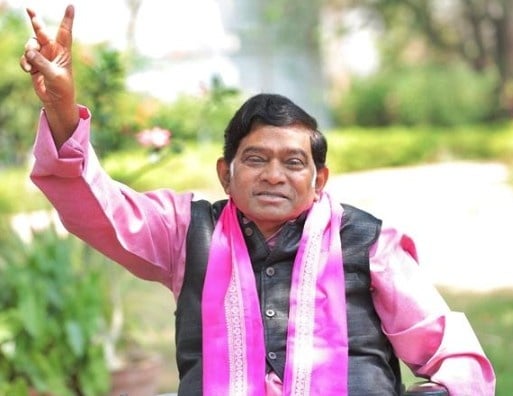
Being the first gave Jogi a special place in history. His time as Chief Minister influenced other civil servants who thought about joining politics. The path he created still matters today.
List of 10 IAS Officers Who Became Politicians
Here is the overview of ten civil service officers who entered politics, and their service backgrounds, party affiliations, and positions achieved.
| Sr. No. | Name | Service/Batch | Political Party | Highest Position | Year of Entry |
|---|---|---|---|---|---|
| 1 | Ajit Jogi | IAS 1968 | Congress → JCC | CM Chhattisgarh | 1986 |
| 2 | Yashwant Sinha | IAS 1960 | BJP → TMC | Finance Minister | 1984 |
| 3 | Arvind Kejriwal | IRS 1992 | AAP | CM Delhi | 2012 |
| 4 | Alphons Kannanthanam | IAS 1979 | BJP | Tourism Minister | 2006 |
| 5 | Raj Kumar Singh | IAS 1975 | BJP | Power Minister | 2013 |
| 6 | Hardeep Singh Puri | IFS 1974 | BJP | Petroleum Minister | 2016 |
| 7 | Mani Shankar Aiyar | IFS 1963 | Congress | Panchayati Raj Minister | 1989 |
| 8 | Meira Kumar | IFS 1973 | Congress | Lok Sabha Speaker | 1985 |
| 9 | K. Natwar Singh | IFS 1953 | Congress | External Affairs Minister | 1984 |
| 10 | RCP Singh | IAS 1984 | JD(U) | Steel Minister | 2010 |
These officers joined different political parties across India. Their success rates were not the same.
Some became Chief Ministers while others became Union Ministers. They handled many different departments. Their careers show different ways to move from office work to politics.
1. Ajit Jogi – First IAS Officer to Become Chief Minister
| Feature | Details |
|---|---|
| Full Name | Ajit Pramod Kumar Jogi |
| IAS Batch | 1968, Madhya Pradesh Cadre |
| Political Party | Congress (1986-2016) → JCC (2016-2020) |
| Highest Position | CM Chhattisgarh (2000-2003) |
Jogi topped his class in Mechanical Engineering from MACT Bhopal in 1968. He worked as District Collector for 14 years, which is still a record. Arjun Singh helped him in politics and connected him to the Gandhi family.
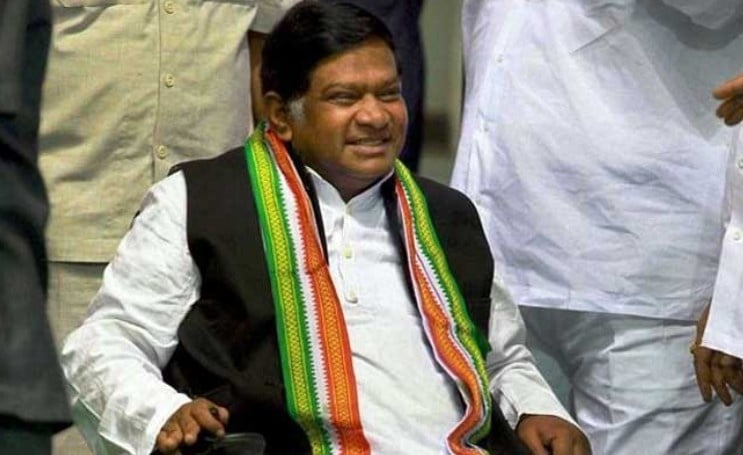
As Chhattisgarh’s first Chief Minister from 2000 to 2003, Jogi built roads and schools. But his career had problems. People accused him of taking bribes. There were also fights about his caste certificate.
A court said in August 2019 that his Scheduled Tribe claim was false. Jogi passed away on May 29, 2020, when he was 74 years old.
2. Yashwant Sinha – Two-Time Finance Minister
| Feature | Details |
|---|---|
| Full Name | Yashwant Sinha |
| IAS Batch | 1960, Bihar Cadre |
| Political Party | Janata → BJP (1996-2018) → TMC → Independent |
| Highest Position | Finance Minister (1990-91, 1998-2002), External Affairs (2002-04) |
Sinha joined the IAS in 1960 and worked as an officer until 1984. Before civil services, he taught political science at Patna University. He spent 24 years in the IAS, working in Bihar and central government offices.
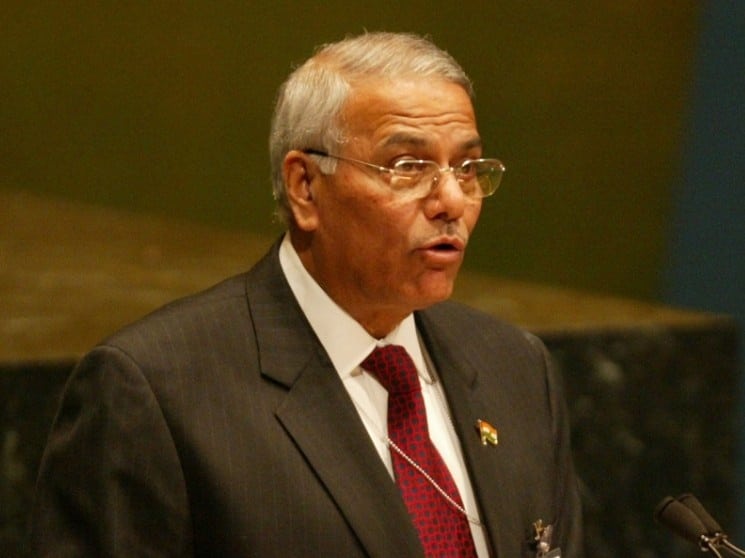
As Finance Minister, he held important positions under Vajpayee’s government. He changed a 53-year-old budget rule with major money reforms. Later, he changed parties from Janata Dal to the BJP to the TMC.
He left the BJP in 2018 because he did not agree with Modi’s policies. In 2022, he ran for President as the Opposition candidate.
3. Arvind Kejriwal – From IRS to Delhi Chief Minister
| Feature | Details |
|---|---|
| Full Name | Arvind Kejriwal |
| IRS Batch | 1992 (Indian Revenue Service) |
| Political Party | AAP (Founder, 2012) |
| Highest Position | CM Delhi (2013-14, 2015-2024) |
Kejriwal studied Mechanical Engineering at IIT Kharagpur in 1989 and joined the IRS in 1995. He got the Ramon Magsaysay Award in 2006 for his work on the Right to Information through an NGO called Parivartan.
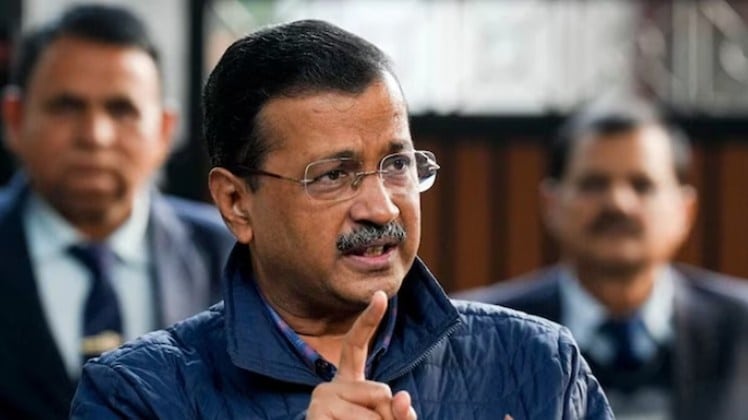
He worked with Anna Hazare on the Jan Lokpal movement before starting AAP. His 2015 election win was huge, getting 67 out of 70 seats. Small health clinics and free electricity became AAP’s main programs.
Kejriwal officially resigned as Chief Minister on September 17, 2024, amid legal issues related to the excise policy case. He was the first sitting chief minister in India to be arrested and put in jail on March 21, 2024.
4. Alphons Kannanthanam (KJ Alphons) – The Demolition Man
| Feature | Details |
|---|---|
| Full Name | Alphons Joseph Kannanthanam |
| IAS Batch | 1979, Kerala Cadre |
| Political Party | Independent/LDF (2006-11) → BJP (2011-present) |
| Highest Position | Tourism Minister (2017-2019) |
Alphons grew up in a village without electricity and got only 42 percent marks in the 10th standard. But he topped the IAS exam. When he became DDA Commissioner, he ordered the demolition of 14,310 illegal buildings. This gave him the name “Demolition Man.”
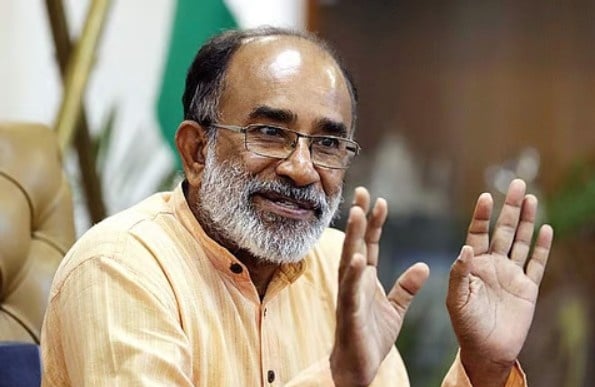
He started reading programs in Kerala and made Kottayam the first district where everyone could read and write.
He changed parties from LDF independent to BJP. He wrote a book called “Making a Difference” and became known for giving motivational speeches.
5. Raj Kumar Singh – Home Secretary to Power Minister
| Feature | Details |
|---|---|
| Full Name | Raj Kumar Singh |
| IAS Batch | 1975, Bihar Cadre |
| Political Party | BJP |
| Highest Position | Power & Renewable Energy Minister (2017-2024) |
Singh first joined IPS in 1974 and then IAS in 1975. He worked as Union Home Secretary from 2011 to 2013. His main job was keeping the country safe. Under Nitish Kumar, he helped build roads in Bihar.
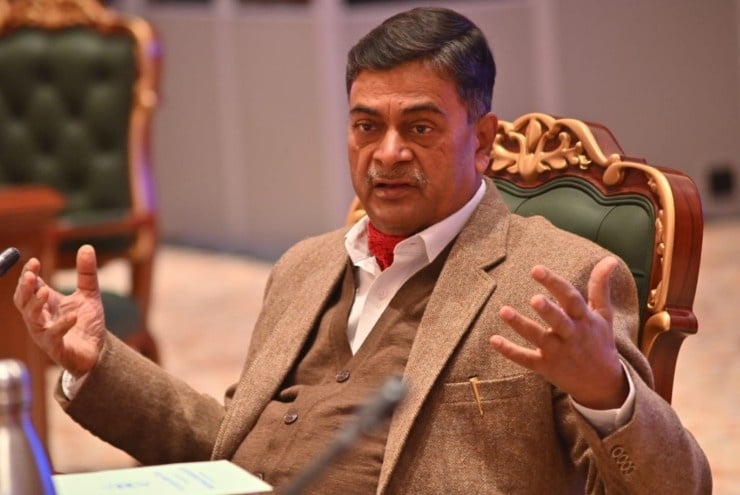
He joined the BJP in 2013 and won the Arrah seat twice, in 2014 and 2019, with big margins. But he lost the 2024 election.
BJP suspended him in November 2025 for working against the party. Singh quit the BJP on November 15, 2025, right after getting the suspension notice.
6. Hardeep Singh Puri – Diplomat to Minister
| Feature | Details |
|---|---|
| Full Name | Hardeep Singh Puri |
| IFS Batch | 1974 (Indian Foreign Service) |
| Political Party | BJP |
| Highest Position | Petroleum, Housing & Urban Affairs Minister |
Puri worked in the Indian Foreign Service for 39 years before joining politics. He worked at the UN and was India’s main representative from 2009 to 2013. He was also the UNSC President in 2011-12.
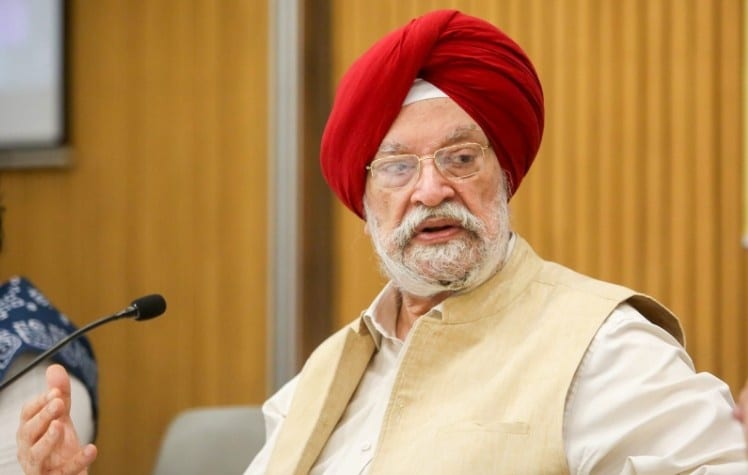
He entered politics through the Rajya Sabha in 2016 and handled many departments, including Housing, Petroleum, and Civil Aviation. His main work focused on the Smart Cities mission.
7. Mani Shankar Aiyar – IFS Officer to Congress Leader
| Feature | Details |
|---|---|
| Full Name | Mani Shankar Aiyar |
| IFS Batch | 1963 (Indian Foreign Service) |
| Political Party | Congress |
| Highest Position | Panchayati Raj, Youth Affairs & Sports Minister |
Aiyar joined IFS in 1963 and worked there for 21 years. He studied economics at Cambridge before working in Pakistan, China, and the UN. He quit IFS in 1989 and started helping Rajiv Gandhi in the PMO.
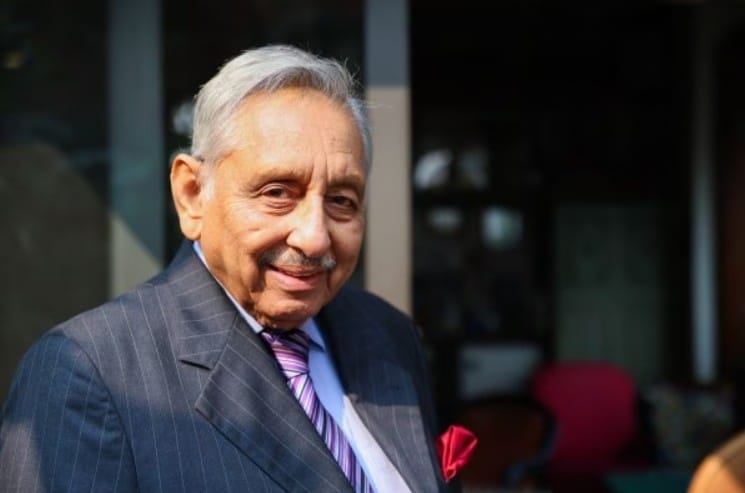
He strongly supported village-level democracy through Panchayati Raj. His career in politics was known for speaking his mind, especially when criticizing Modi.
8. Meira Kumar – First Woman Lok Sabha Speaker
| Feature | Details |
|---|---|
| Full Name | Meira Kumar |
| IFS Batch | 1973 (Indian Foreign Service) |
| Political Party | Congress |
| Highest Position | Lok Sabha Speaker (2009-2014), Union Minister |
Meira Kumar is the daughter of Jagjivan Ram, who was a famous Dalit leader. She got her MA from Delhi University and also studied law and Spanish. She worked as a diplomat in Spain and Mauritius before joining politics in 1985.
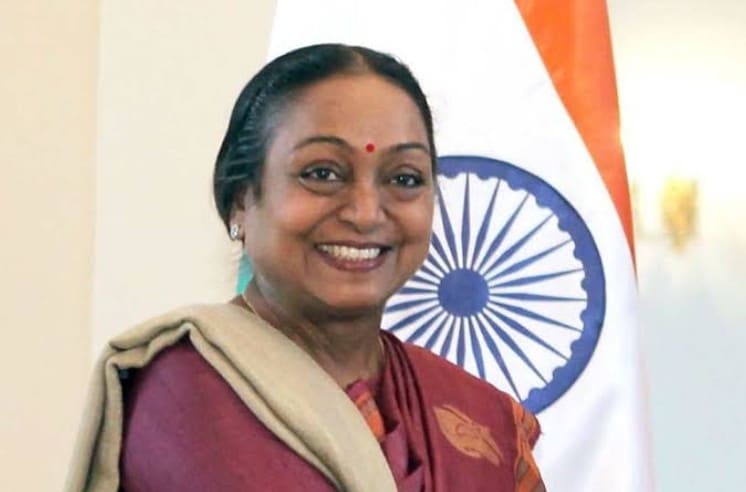
She became the first woman to be Lok Sabha Speaker in the 15th Lok Sabha. The Opposition parties chose her to run for President in 2017.
9. K. Natwar Singh – Veteran Diplomat Turned Politician
| Feature | Details |
|---|---|
| Full Name | Kunwar Natwar Singh |
| IFS Batch | 1953 (Indian Foreign Service) |
| Political Party | Congress |
| Highest Position | External Affairs Minister (2004-2005) |
Singh started working in IFS in 1953 and stayed for 31 years. He was very close to the Nehru-Gandhi family. He knew both Indira Gandhi and Rajiv Gandhi personally.
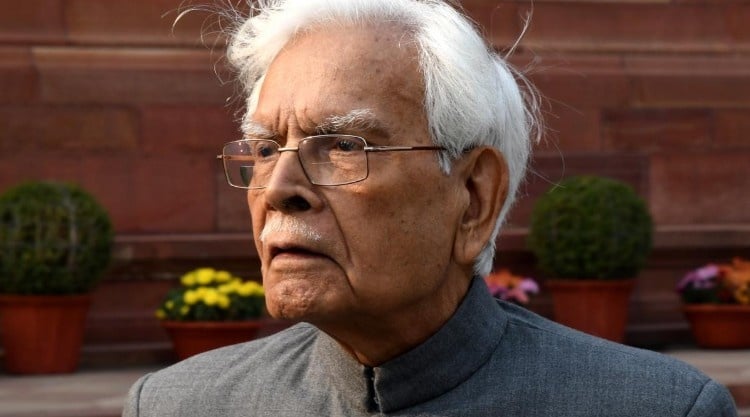
He worked in China and the United States and also worked as Indira’s Private Secretary. In politics, he became a Rajya Sabha member and held ministerial positions.
He had to resign in 2005 because of the Oil-for-Food scandal with the UN and Iraq.
10. RCP Singh – JD(U) Leader and Union Minister
| Feature | Details |
|---|---|
| Full Name | Ramchandra Prasad Singh |
| IAS Batch | 1984, Bihar/Jharkhand Cadre |
| Political Party | JD(U) |
| Highest Position | Steel Minister (2021-2022) |
RCP Singh was a close helper to Nitish Kumar and worked as Principal Secretary to the Bihar Chief Minister. His IAS work covered the Bihar and Jharkhand government offices.
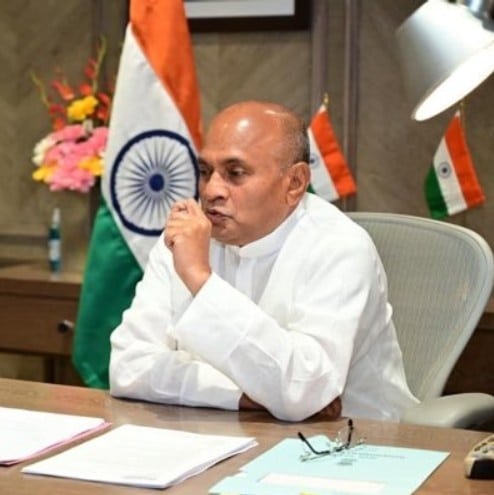
After quitting the IAS in 2010, he joined the Rajya Sabha. He served as the Union Minister of Steel from 2021 to 2022 in Modi’s government. His political life changed when he left JD(U) in 2022, entering a new phase.
Why Do IAS Officers Join Politics?
Many officers want direct power to make policies. IAS is the backbone of governance, but officers cannot make final decisions. Politics gives them a direct connection with people that office work cannot provide.
Political parties look for people with good office experience. Some officers want to build a bigger legacy.
Getting stuck in office red tape pushes some toward elected positions. Seeing policies fail firsthand makes them want real decision-making power.
Can IAS Officers Join Politics Without Resigning?
The All India Services (Death-cum-Retirement Benefits) Rules, 1958, control how civil servants must behave. Officers must resign before doing any political work.
They cannot join political parties while still working in government jobs. Many retired officers have joined politics after finishing their service. The law keeps a clear line between office work and political work.
Suggested Reads:
Conclusion: From Jogi To Kejriwal, Ias Officers Turned Politicians Reshape Indian Politics
IAS officers moving into politics is an interesting trend in Indian democracy. These officers bring office knowledge, policy understanding, and work experience to elections.
But their success is very different. Some became Chief Ministers while others faced problems and lost elections. The trend keeps growing as political parties want people with office backgrounds.
But questions remain about cooling-off periods and possible conflicts. As India changes, this path from office to politics will likely grow bigger, changing how government works and democracy meets in the coming years.
FAQs
The Cabinet Secretary holds the top office position, leading all civil services and advising the Prime Minister on how to run the government.
Yes, retired IAS officers can join politics freely after they resign or retire from civil service, as many examples show clearly.
Ajit Jogi became the first IAS officer to work as Chief Minister when he took charge of Chhattisgarh in November 2000.
Shah Faesal, who joined the IAS in 2010, briefly tried politics, but no famous IAS officer has successfully become a professional actor.
IAS officers carry out policies while politicians create them; both jobs have different powers in government, with politicians having public votes and IAS providing steady administration.