Bhawna Garg made history in 1999. She passed the Civil Services Exam on her first attempt and got the top rank in India. Her success showed something important: you don’t need to try multiple times if you prepare well and stay focused.
Getting through UPSC on the first try isn’t about luck. It’s about smart preparation. Over the past 20 years, many candidates have topped the exam without any previous attempts. Their stories prove that this goal is real and possible.
This article explains who these toppers are, where they came from, and most importantly, what they did to succeed.
First-Time IAS Winners: Top Ranks From 1999 to 2026
Here are candidates who got top ranks on their first try. They come from different educational backgrounds and chose different optional subjects.
| Year | Name | Rank | Age | Optional Subject | Background |
|---|---|---|---|---|---|
| 2024 | Suyash Kumar | 468 | 24 | Political Science & International Relations | Engineering Graduate |
| 2022 | Laghima Tiwari | 19 | 23 | Anthropology | History Graduate, Miranda House |
| 2018 | Kanishak Kataria | 1 | 25 | Mathematics | Computer Science, IIT Bombay |
| 2018 | Srushti Jayant Deshmukh | 5 | 23 | Sociology | Computer Science, Pune |
| 2017 | Koya Sree Harsha | 6 | 22 | Anthropology | Electrical Engineering, NIT Warangal |
| 2017 | Soumya Sharma | 9 | 24 | Sociology | Economics, Lady Shri Ram College |
| 2016 | Anmol Sher Singh Bedi | 2 | 24 | Psychology | Mechanical Engineering, IIT Delhi |
| 2016 | Saumya Pandey | 4 | 23 | Philosophy | Political Science, Hindu College |
| 2015 | Tina Dabi | 1 | 22 | Political Science | Political Science, Lady Shri Ram College |
| 2015 | Artika Shukla | 4 | 25 | Sociology | Civil Engineering, NIT Bhopal |
| 2015 | Abhimanyu Gahlaut | 38 | 24 | Sociology | Electrical Engineering, IIT Roorkee |
| 2014 | Renu Raj | 2 | 28 | Malayalam Literature | Electronics, Kerala University |
| 2013 | Roman Saini | 18 | 22 | Mathematics | M.B.B.S. Doctor |
| 2011 | Rukmani Riar | 2 | 24 | Political Science | History, Delhi University |
| 2011 | Amrutesh Aurangabadkar | 10 | 24 | Geography | Electronics, Walchand College |
| 2009 | Shah Faesal | 1 | 26 | Psychology | M.B.B.S. Doctor |
| 2003 | Roopa Mishra | 1 | 26 | History | M.A./MBA |
| 2002 | Ankur Garg | 1 | 26 | Public Administration | Master’s from Harvard |
| 2000 | Sorabh Babu Maheshwari | 1 | 23 | Public Administration | Mechanical Engineering |
| 1999 | Bhawna Garg | 1 | 23 | Public Administration | Chemical Engineering, IIT Kanpur |
These winners came from engineering, medicine, the arts, and management, which means that no single degree path makes first-time success certain or impossible.
Who Got Rank 1 On Their First UPSC Attempt?
Seven candidates got the top rank on their very first try. They set examples for future candidates and proved that first-time success is possible with the right preparation.
| Year | Name | Rank | Background |
|---|---|---|---|
| 2018 | Kanishak Kataria | 1 | Computer Science, IIT Bombay |
| 2015 | Tina Dabi | 1 | Political Science, Lady Shri Ram College |
| 2009 | Shah Faesal | 1 | M.B.B.S. Doctor |
| 2003 | Roopa Mishra | 1 | M.A./MBA |
| 2002 | Ankur Garg | 1 | Master’s in Public Administration (Harvard) |
| 2000 | Sorabh Babu Maheshwari | 1 | Mechanical Engineering |
| 1999 | Bhawna Garg | 1 | Chemical Engineering, IIT Kanpur |
Each topper had different strengths, had engineering skills, others had medical training, or arts knowledge. But they all shared common habits: starting early, studying in an organized way, and practicing answer writing regularly.
The qualities that prepare them to fulfill the duties of IAS officer include handling important jobs in government, development work, and keeping peace in their areas. Let’s look at what each rank-one winner did to succeed.
1. Kanishak Kataria (2018)
Kanishak studied Computer Science at IIT Bombay. He got rank 1 at age 25 on his first try. He studied 10-12 hours every day and focused heavily on NCERT textbooks to build a strong basis, and started practicing answer writing from the first day.
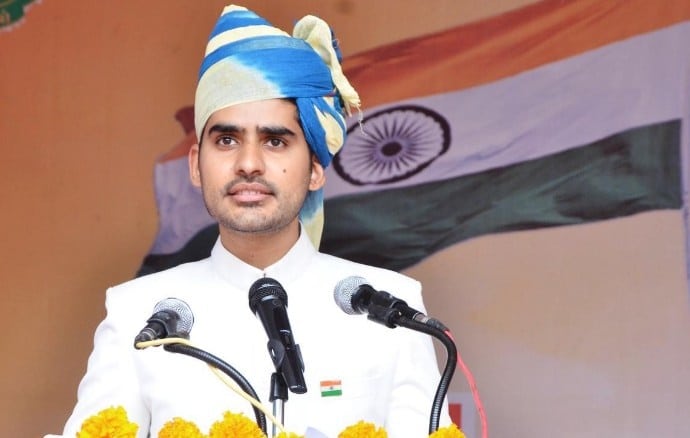
His engineering background helped him study the syllabus in an organized way; he broke down difficult topics into smaller, easier parts for better learning.
2. Tina Dabi (2015)
Tina studied Political Science at Lady Shri Ram College. She got the top rank at age 22 while preparing during her final college year. She read newspapers every day and made short, clear notes.
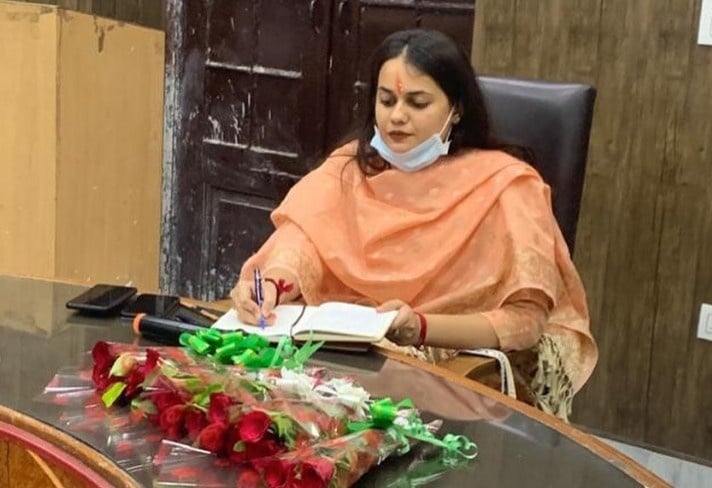
Her optional subject matched her college degree, which helped her. She believed in quality, not quantity. She used only standard books and read them many times.
3. Shah Faesal (2009)
Shah Faesal was a working doctor with an M.B.B.S. degree. He became the first person from Kashmir to get rank 1, at age 26. While working as a doctor, he studied late at night and early in the morning, spending 6 to 8 hours daily on preparation.
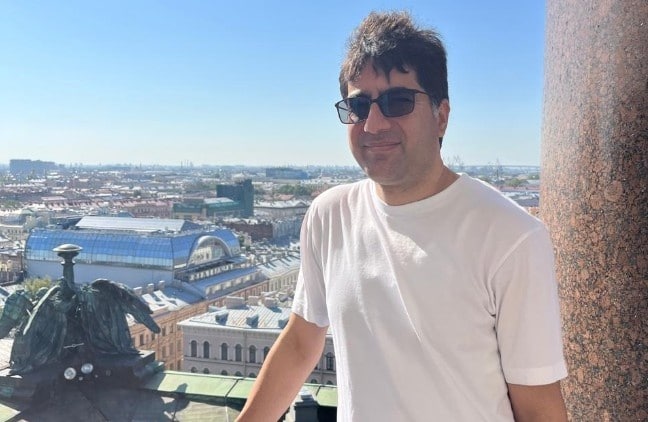
His medical training taught him to be organized and focused on deeply understanding ideas rather than just memorizing. This helped him answer unexpected questions with confidence.
4. Roopa Mishra (2003)
Roopa had an M.A. and an MBA degree. She cleared the exam with rank 1 on her first try by following a strict daily routine, dividing time between regular subjects and current affairs.
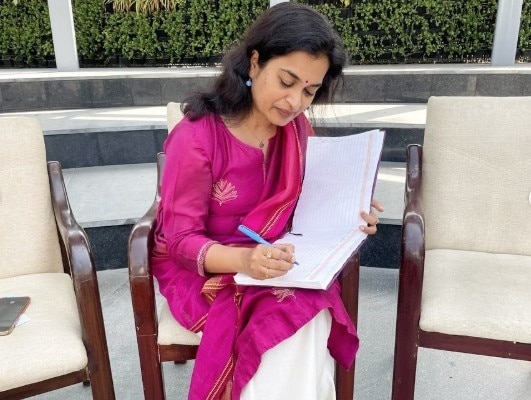
Her management education helped her plan well; she gave more time to weaker subjects while keeping strong areas sharp. Regular practice tests and group discussions improved her writing skills a lot.
5. Ankur Garg (2002)
Ankur had a Master’s degree in Public Administration from Harvard and got the top rank on his first attempt. His foreign education gave him different views on government and policy.
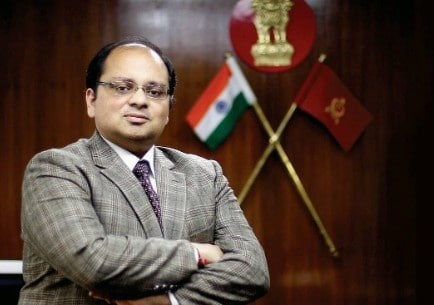
He studied Indian government systems deeply, connecting book knowledge with real-world examples. Reading newspapers daily and joining discussion groups kept his current affairs knowledge fresh and useful.
6. Sorabh Babu Maheshwari (2000)
Sorabh was a Mechanical Engineering graduate. He got rank 1 on his first try. He started preparing during his final engineering year, using college holidays for serious study.
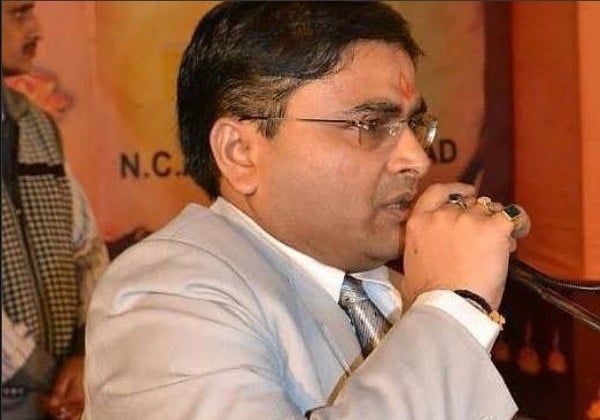
His engineering approach involved making detailed flowcharts and diagrams for tough topics. He practiced many old exam papers, finding patterns and adjusting his preparation to match exam needs.
7. Bhawna Garg (1999)
Bhawna studied Chemical Engineering at IIT Kanpur. She made history as the first person to get rank 1 on the first attempt. She had strong discipline, studying 8-10 hours daily without missing.
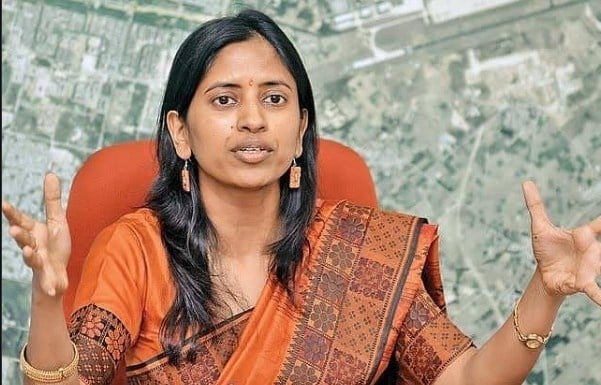
Her IIT training gave her analytical thinking skills, helping her look at questions from different angles. She focused on NCERT books and standard reference materials, avoiding too many resources.
What Is the First-Attempt IAS Plan? – Winning Method
First-attempt success needs a smart approach that combines early preparation, careful resource selection, and regular practice instead of last-minute studying or random learning.
Starting preparation during the final college year gives you a big time advantage. NCERT books from Class 6-12 form the foundation. Topper says to read them fully before moving to advanced books.
Most successful candidates spend 6 to 8 hours on focused study without distractions, which builds the discipline needed for long-term learning.
Current affairs need daily attention through newspapers like The Hindu or The Indian Express, along with RSTV or Sansad TV programs. Answer writing practice from Day and writing makes your thinking sharper and improves speed.
Mock tests give regular checks, showing weaknesses before the real exam. You need to revise at least 3-4 times. Toppers often revise 5-6 times to keep ideas fresh in their minds.
This method works because it focuses on understanding instead of memorizing, values regular work over bursts of hard work, and builds exam readiness through regular practice before the actual test day.
Best Books For First-Attempt IAS Preparation
Choosing the right resources can make or break first-attempt success. Start with NCERT books from Class 6-12 covering History, Geography, Economics, Political Science, and Science, which provide a clear understanding.
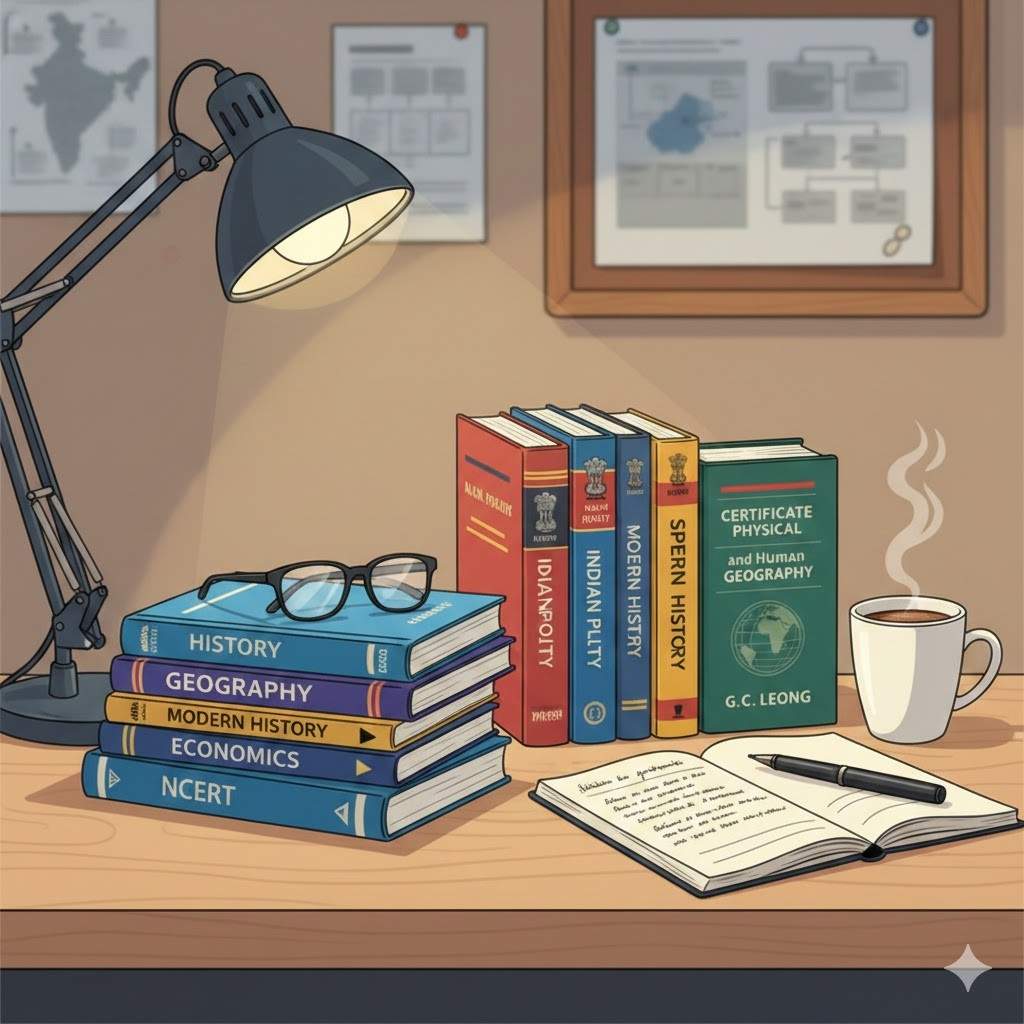
M. Laxmikant’s “Indian Polity” is the best book for constitution and government topics. Rajiv Ahir’s “Spectrum” provides brief coverage of Modern Indian History. GC Leong’s “Certificate Physical and Human Geography” builds geographic knowledge step by step.
Daily newspapers, the Hindu or the Indian Express, keep your current affairs preparation real. Quality test series from good institutes give a realistic mock exam experience.
Common Mistakes to Avoid On First Attempt
Getting too many books kills more dreams than a lack of intelligence. People collect dozens of books but master none. Not practicing answer writing until the final months leaves candidates unprepared for the exam’s heavy writing needs.
Social media breaks your focus, turning possible 8-hour study days into 4-hour sessions. Not reading newspapers regularly creates current affairs gaps that show up during interviews and main exams.
Skipping mock tests means you miss the pressure that you really need in practice. Not revising enough means that what you learned in January is forgotten by December.
Starting preparation too late, especially in the final semester, squeezes learning into an impossible timeframe.
Related Reads:
Conclusion: IAS In First Attempt Is Achievable Through Focus, Discipline, And Clarity
First-attempt toppers like Bhawna Garg, Sorabh Babu Maheshwari, Ankur Garg, Roopa Mishra, Shah Faesal, Tina Dabi, and Kanishak Kataria prove that UPSC success depends on smart preparation, not repeated attempts.
They focused on NCERTs, limited books, daily current affairs, and regular answer writing. Their journeys show that discipline and clarity matter more than background.
Use these lessons to plan your preparation wisely and move forward with confidence.
FAQs
The 7-5-3 rule means reading each topic seven times, revising five main subjects completely, and finishing three full mock tests to make sure you remember everything and are exam-ready.
Tina Dabi got rank 1 at age 22 in 2015, making her one of the youngest first-attempt toppers in UPSC history, with excellent preparation skills.
Several candidates, including Shah Faesal and Bhawna Garg, cleared UPSC on their first attempt through self-study, using standard books and regular daily routines without formal coaching classes.
Seven candidates got rank 1 on the first attempt: Kanishak Kataria (2018), Tina Dabi (2015), Shah Faesal (2009), Roopa Mishra (2003), Ankur Garg (2002), Sorabh Maheshwari (2000), and Bhawna Garg (1999).
First-attempt candidates, usually 22-24 years old, bring fresh college knowledge, high energy, fewer responsibilities, and many future chances. This reduces mental pressure a lot during preparation.