To apply for the IAS exam, you must meet three compulsory requirements:
- Indian citizenship (mandatory and non-negotiable),
- Age between 21-32 years (for General category, as of August 1st),
- Bachelor’s degree from any recognized university.
If you’re thinking about writing the Civil Services Exam, check if you’re eligible before you start preparing. UPSC is the only government body that conducts this exam and decides who can take it.
In this article, I’ll explain the exact age rules, education requirements, attempt limits, and relaxations for different categories in 2026, so you know if you can apply or not.
UPSC IAS Exam Eligibility Criteria 2026 (Official)
UPSC runs the Civil Services Examination, which is the main civil service recruitment process of the Government of India.
To become an IAS officer, you must be an Indian citizen. This is mandatory and non-negotiable. You need a bachelor’s degree from any recognized university in any subject.
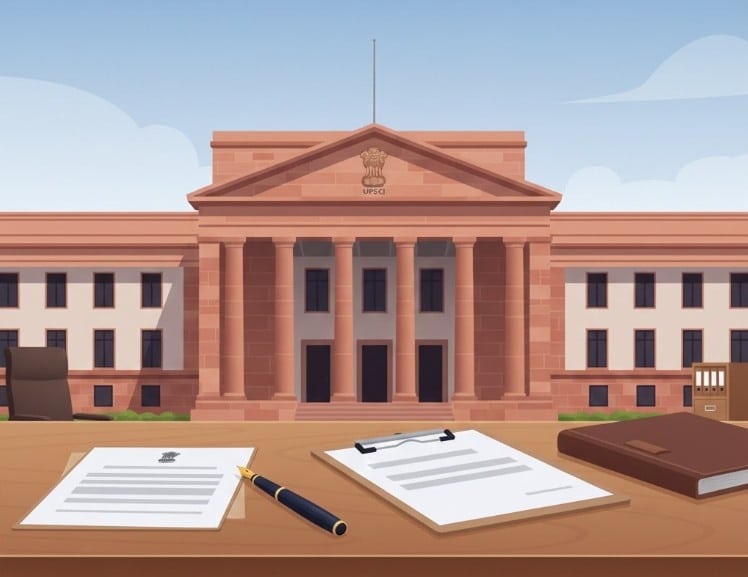
The general age range is 21 to 32 years as of August 1st of the exam year. IAS is one of the services you can get through the UPSC exam, along with IPS, IFS, and other government positions.
Some of these have different physical or health requirements than IAS.
IAS Age Limit 2026 (Category-Wise)
The standard age range for the UPSC examination is 21 to 32 years for the General Category.
Your age is counted as of August 1st of the exam year. This is the reference date mentioned in every official notification. Not when you apply or when you take the Prelims.
For example, if you turn 33 on August 2nd, you can still take that year’s exam. This is the birth date window concept that confuses many aspirants.
Some categories get extra years added to the upper age limit, but age relaxation is not cumulative unless UPSC specifically mentions it in the notification.
Here is the overview of the IAS Age Limit, Relaxation & Attempts:
| Category | Max Age | Relaxation | Attempts |
|---|---|---|---|
| General / EWS | 32 | None | 6 |
| OBC (NCL) | 35 | 3 Years | 9 |
| SC / ST | 37 | 5 Years | No limit (till max age) |
| PwBD (Gen/OBC/EWS) | 42 | 10 Years | 9 |
| Ex-Servicemen | 37 | 5 Years | 6 / 9 (OBC) |
Source: upsc.gov.in
The August 1st cutoff is key. If your birthday falls after August 1st but before the exam, you’re still in. Age relaxation is not cumulative; if you’re OBC with a disability, you get whichever relaxation is higher, not both added together.
IAS Attempts Rules (Common Confusion)
You use up one “attempt” only when you actually sit for the Prelims exam. Not when you just fill the form. If you register but don’t show up on exam day, it doesn’t count against you. This helps people who applied but later felt they weren’t ready.
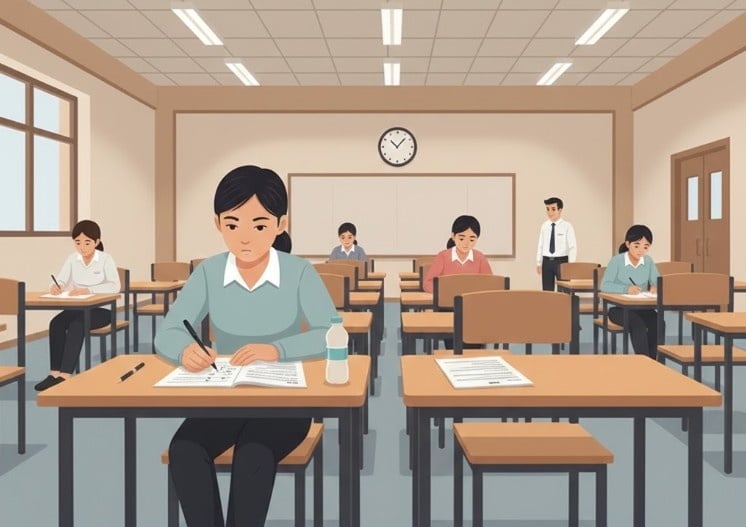
How many attempts you get depends on your category: 6 for General/EWS, 9 for OBC, and no limit for SC/ST (as long as you’re within the age limit). Knowing your attempts and age limit helps you plan when to start preparing.
UPSC IAS Educational Qualification Eligibility 2026 (Graduation Rules)
The education requirement is easier than most people think. UPSC doesn’t need a specific degree, percentage, or college name. What you need is a recognized bachelor’s degree by the time you fill out your Mains form.

Let’s clear up the biggest doubts about graduation.
1. Minimum Educational Qualification for IAS Exam 2026
You need a bachelor’s degree from any university that the government recognizes. The degree can be in any subject. Arts, Science, Commerce, Engineering, Medicine, or Law.
The rumor about needing 45% marks is false; UPSC never mentioned this anywhere in their rules.
2. IAS Eligibility for Final Year Students 2026
Students in their final year of graduation can apply and take the Prelims exam. But you must show proof that you finished your degree (mark sheets and certificate) when filling the Detailed Application Form (DAF) before Mains. ]
If you can’t produce this, your candidature ends there, regardless of your Prelims score.
3. IAS Eligibility for MBBS & Professional Degree Holders
If you studied medicine, you must have passed your final professional exam. MBBS students must complete their internship before the Interview stage, not before Prelims or Mains.
Similar rules apply to engineering, law, and other professional courses: your final exam must be taken to count as a graduate.
IAS Exam Eligibility for Female Candidates 2026
Women have the same age limit, number of attempts, and education requirements as men. There are no separate physical tests or health rules for women applying to the IAS.
However, if you want to join the IPS (Indian Police Service), there are height and chest rules. But these don’t apply to IAS. This is the key difference between IAS vs IPS physical eligibility that many aspirants miss.
IAS Medical & Physical Eligibility Requirements
IAS has no height, weight, or chest requirements. You need to be fit enough to handle desk work and field duties. Mild vision problems, glasses, and common medical conditions are usually acceptable.
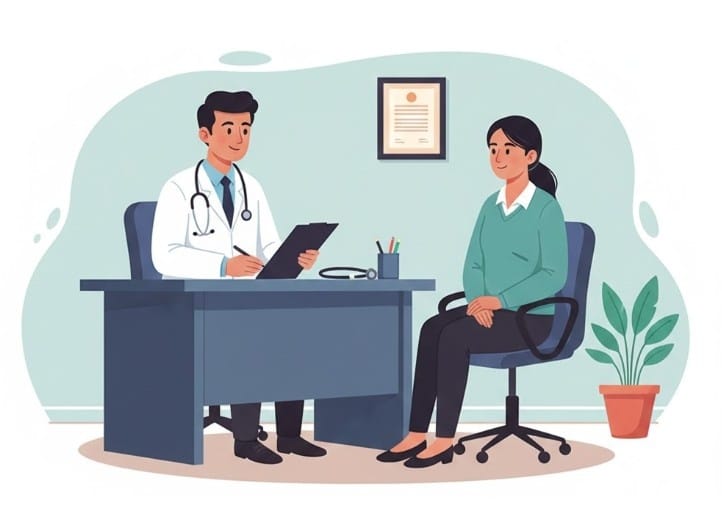
UPSC lists detailed medical standards in the official notification. If you have specific health questions, check Appendix III of the CSE notification. Unlike IPS, IAS has no physical efficiency tests or running requirements.
UPSC Eligibility Restrictions & Disqualifications
Current IAS, IFS, or IPS officers cannot reappear for the exam. If you got selected for one service and want to try again for a better one, you must resign from your current post first.
UPSC also has a multiple service selection rule: if you get selected for two services in the same year, you can pick only one.
Your documents are checked at several points: DAF stage, interview, and final selection. If something is wrong at any stage, you’ll be removed from the process.
Suggested Reads:
Conclusion: IAS Eligibility Requires Indian Citizenship, Age 21-32, A Bachelor’s Degree, & Remaining Attempts
Whether you can apply for IAS depends on three things: your nationality, your age, your degree, and the number of attempts you have left. These three factors tell you how much time you have to prepare.
Always check the official UPSC notification released every February, as rules and dates can change.
If you meet all the requirements, your next step is simple: apply when the notification opens, start preparing properly, and use your attempts wisely.
Don’t waste time worrying about eligibility. Most people qualify. The real test is the exam itself, not getting permission to take it.
FAQs
No, you must have a bachelor’s degree from a recognized university to apply for the UPSC Civil Services Exam, which includes IAS.
Any bachelor’s degree in any subject works. History, Engineering, Medicine, Commerce, or Science are all treated the same way by UPSC.
No, UPSC is the only organization that conducts the Civil Services Exam, which is the only way to become an IAS officer in India.
General and EWS category candidates get 6 attempts, as long as they stay within the age limit of 32 years as of August 1st.
The age limit is 21-32 years for the General category, 21-35 for OBC, and 21-37 for SC/ST, counted as of August 1st of the exam year.