The Indian Administrative Service (IAS) is often called the ‘steel frame’ of India, turning the government’s policies and plans into real-life projects for citizens.
An IAS officer is not just a government official, but a crucial leader entrusted with keeping administration stable and delivering public services across the country.
In this article, I will define the role, categorize the main powers they hold and examine the benefits and core duties that come with this respected position.
Let’s get started!
Who Is An IAS Officer?
The Indian Administrative Service (IAS) is the premier administrative service where officers are selected through the UPSC’s Civil Services Examination (CSE). The IAS acts as the permanent, politically neutral executive, ensuring government work continues smoothly.
It differs from the IPS (Police) and IFS (Foreign Service). The IAS focuses on high-level policy planning, overall governance, and financial management.
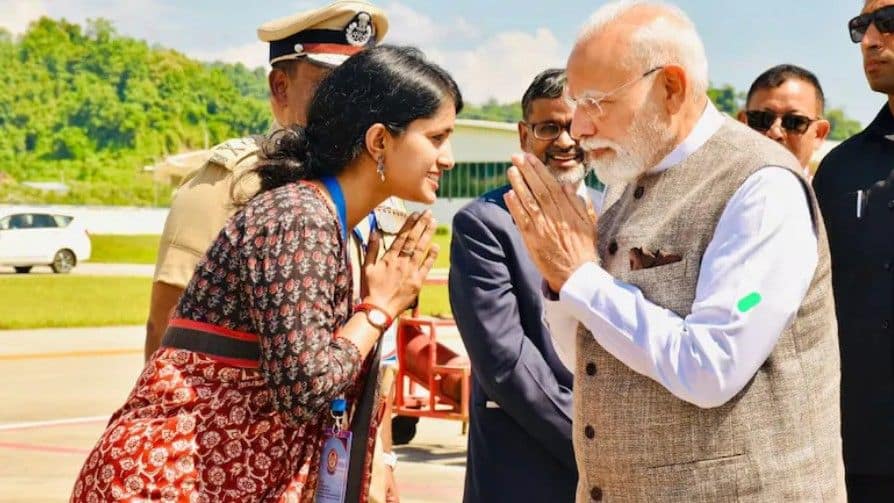
As the government’s chief representative, an IAS officer often serves as the District Collector (DM). In this role, they handle revenue, development work, and crisis management. They link political leaders directly to the citizens.
Categories Of Powers Of An IAS Officer
The authority of an IAS officer is multifaceted, including administrative control, executive command, financial oversight, and quasi-judicial functions. These powers are used at various levels of government, from the local district to the central secretariat, to ensure the smooth functioning of the state.
1. Administrative Powers
The main job of an IAS officer in a particular district is administration. The District Magistrate/District Commissioner (DM/DC) is basically the main person in charge there.
They supervise all government departments, from the local health clinics to the most local public works. They run all the local operations to implement national schemes.
They are also responsible for making sure that the established policies are actually implemented. They hold all the subordinate staff accountable for delivering services effectively.
For example, an IAS District Collector inspects a local Primary Health Centre (PHC), finds that the facility is lacking essential medicines, and issues a direct order to the Chief Medical Officer (CMO) to immediately restock supplies and submit a compliance report within 48 hours. This is direct administrative oversight and enforcement.
2. Executive Powers
Executive powers allow the IAS officer to take immediate command. They can make quick decisions, especially when facing difficult situations.
When posted as a District Magistrate, the officer becomes the most senior Executive Magistrate. This gives them powers under the Code of Criminal Procedure (CrPC). For instance, they can impose Section 144 to prevent large public gatherings.
The IPS officer commands the police force. However, the District Magistrate holds the final executive authority for law and order. The police must follow the DM’s overall strategic direction.
An IAS officer also monitors the progress of important projects and public services. They often step in to resolve issues between different departments. This ensures all work is finished on time.
For example, following a communal tension flare-up, the DM uses their Executive Magistrate powers to impose a curfew in sensitive areas (using Section 144 of CrPC) to prevent further violence. They also ordered the local police (IPS officer) to increase patrolling and hold peace committee meetings.
3. Financial Powers
IAS officers have a significant influence over what happens to public money. IAS officers who head ministries or departments are responsible for creating the annual budget. At the district level, the Collector manages the treasury. They have the authority to release funds for local schemes and projects.
They ensure that public money is spent wisely and effectively, according to established rules. They are responsible for signing off on the release and use of certain government grants. They must document and report on how well government programs use their funds.
For example, as the Collector, the IAS officer receives a proposal for a new rural road project under a national scheme. They review the detailed cost estimates and approve the release of the initial tranche of funds from the district treasury for the construction to begin, ensuring the project adheres to financial guidelines.
4. Legal Powers
Besides general administration, IAS officers hold specific quasi-judicial powers. As the District Collector, the officer heads revenue courts. This allows them to settle disagreements related to land records, tenancy issues, and revenue matters. They act as the highest legal authority for revenue in the district.
Additionally, the DM is the top authority during disasters, such as floods or pandemics. Their powers under the Disaster Management Act are broad. This allows them to quickly organize resources and order evacuations. They can also coordinate the relief work of all government agencies.
During a major flood event, the DM may use powers under the Disaster Management Act to mandate the temporary acquisition of private school buildings to set up emergency relief camps and order the immediate evacuation of villages along the riverbank.
5. Advisory Powers
In the later stages of their career, IAS officers move from field jobs to secretariat roles. Here, their power to advise becomes their most important function.
Senior IAS officers (Secretaries, Chief Secretaries) are the main advisors to the political leadership. This includes Ministers and the Chief Minister or Prime Minister. They provide neutral, expert advice on new policies and legal hurdles. They also assess if a plan can actually be implemented.
They write the initial drafts of new policies. They also prepare proposals for new laws. Furthermore, they create the rules and procedures that govern how laws are applied. Their hands-on field experience is vital for developing practical national policy.
For example, the Secretary of a key ministry (a senior IAS officer) drafts a detailed cabinet note for the Prime Minister/Chief Minister arguing against a proposed policy because their field experience indicates it would cause unintended displacement, instead suggesting a more phased and community-inclusive implementation strategy.
Benefits & Privileges Related To IAS Powers
The authority of the IAS comes with a lot of security, prestige, and compensation. Here are some benefits that they enjoy:
- Salary and Allowances: An IAS officer’s pay is set by the Pay Matrix of the Central Pay Commission. The basic pay for a new officer starts at about ₹56,100 per month. When allowances are added, the total starting in-hand salary is roughly ₹75,000 to ₹85,000 per month. The Cabinet Secretary, the highest post, earns a fixed salary of ₹2,50,000 per month plus allowances.
- Official Residence and Transportation: They receive secure, large official housing. They also get an official car with a driver for all work duties. This ensures they can travel safely and quickly.
- Security Provisions and Job Stability: Officers often receive state security, such as bodyguards, based on potential threats. The job offers great security. Transfers or dismissals must strictly follow constitutional and service rules.
- Study Leave, Promotions, and Post-Retirement Benefits: Officers can take generous paid study leave for higher education. Promotions are based on their years of service and performance record. After retirement, many are appointed to high positions. They also receive a full pension.
These benefits and perks are put in place to ensure that officers can work with dignity and be safeguarded from work pressures.
Responsibilities vs Powers Of IAS
Every power granted to an IAS officer carries an equal responsibility. The authority to approve a budget (Financial Power) is matched with the duty to ensure public funds are used efficiently and honestly.
The power to enforce law and order (Executive Power) is tied to the responsibility of protecting citizen rights and safety. This connection ensures that all power is used only for the public benefit.
IAS officers must answer to two main groups:
- The Political Executive: They are responsible to their Ministers and the Legislature. They must successfully carry out government policies.
- The Public: Their decisions affect millions of lives. Therefore, they must be fair, open, and ethical in their actions. They must also always remain politically neutral.
Decisions made by IAS officers can be challenged and reviewed by the higher courts. This applies especially to legal or executive orders. Bodies like the Central Vigilance Commission (CVC) and anti-corruption agencies monitor officers.
Related Reads:
Dream Of Leading Change? Start Preparing For The IAS Today!
The Powers of an IAS Officer are extensive and touch every part of public life. However, they are fundamentally tools for public service. They are guided by the core duty to uphold the Constitution and maintain administrative order.
Their goal is always to improve the lives of all citizens. This commitment to power and accountability makes the IAS the premier civil service in India. If you aspire to become an IAS officer and take on this profound responsibility, start preparing today!
FAQs
Their control is administrative and strategic. As the District Magistrate (DM), the IAS officer is the chief executive who gives overall direction for law and order.
The IAS officer holds greater administrative and policy-making power. The IPS manages law enforcement but operates under the overall executive authority of the DM (IAS).
A new IAS officer’s basic salary is ₹56,100, and up to ₹75,000 to ₹85,000 per month with allowances. The top post earns a fixed ₹2,50,000 per month.
IAS officers must follow standard security checks. However, they often receive administrative assistance and quicker movement when traveling on official business.
An IAS officer pays taxes. Their salary and all allowances are considered fully taxable income and are subject to Indian Income Tax laws like any other salaried citizen.