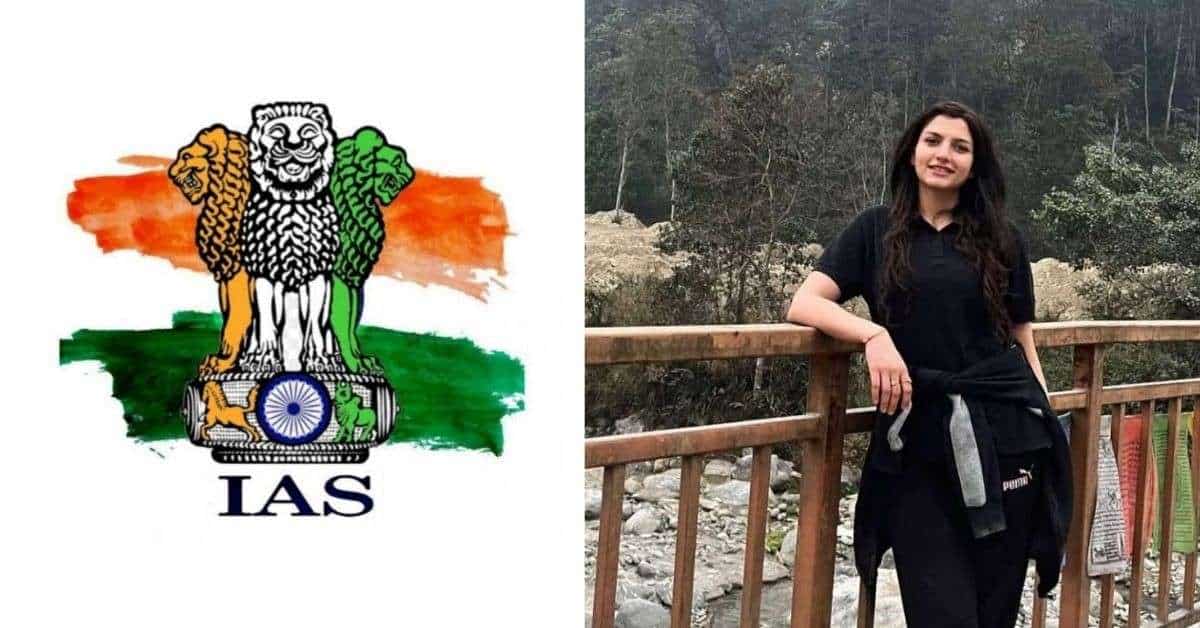
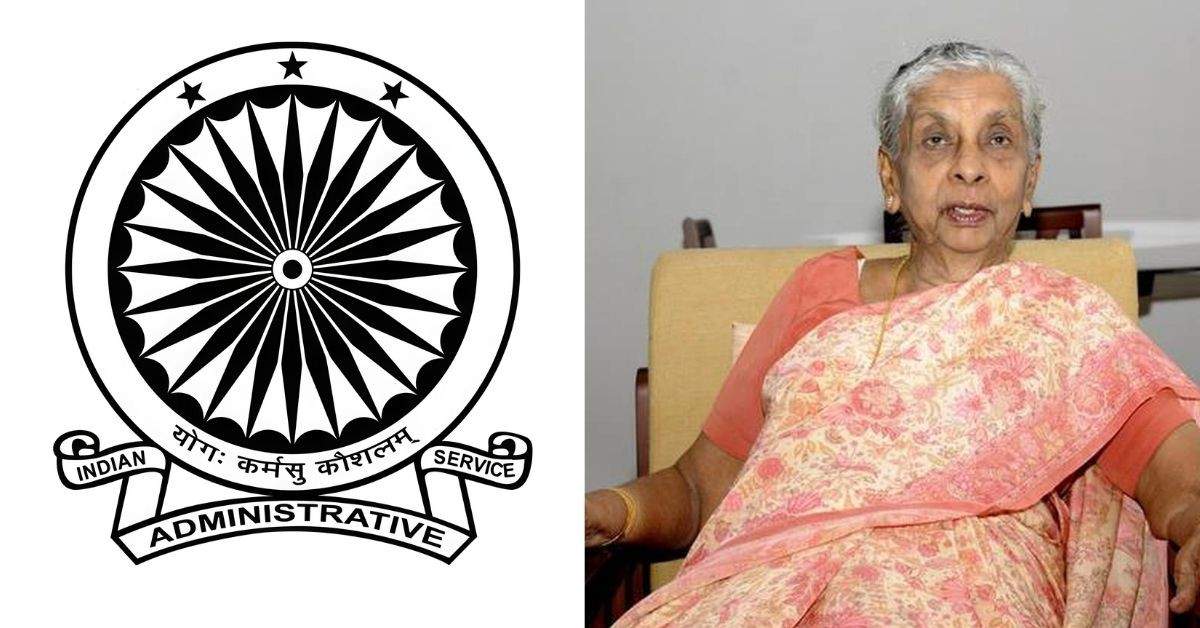
Anna Rajam Malhotra became India’s first female IAS officer in 1951, breaking into a world built entirely for men.
When she sat for her final interview, the panel had a suggestion: why not join the Foreign Service? It seemed “more suitable for women,” they said. She refused. She wanted the administrative cadre, and she got it.
In this article, I will tell you who she was, what she accomplished, and why this still matters to every UPSC aspirant today.
Who Was the First Female IAS Officer of India?
Anna Rajam Malhotra was the first woman to join the Indian Administrative Service in 1951. She cleared the Civil Services Examination conducted by UPSC and was posted to the Madras cadre, now called Tamil Nadu.
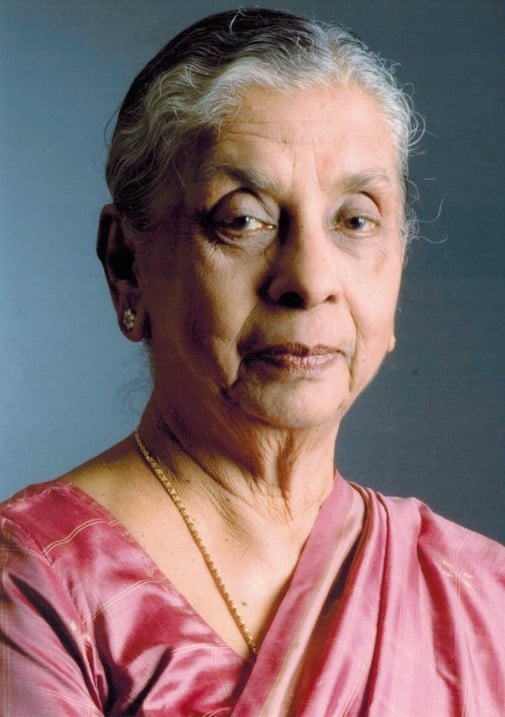
At that time, women in government offices were rare. Most people believed administration was a man’s job. She walked into a bureaucracy that was never designed for her and succeeded anyway.
Her entry became the starting point for women in Indian governance. What makes her story more powerful is that she joined just four years after India’s independence, when the country itself was learning to govern.
Here are the Key Milestones of Anna Rajam Malhotra:
| Year / Period | Event |
|---|---|
| 1951 | Joined the Indian Administrative Service (IAS) |
| 1950s–1970s | Held key administrative positions in the Madras (Tamil Nadu) cadre |
| 1960s–1980s | Served with the Bombay Port Trust |
| 1970s–1980s | Played a key role in the development planning of Nhava Sheva (Jawaharlal Nehru Port Trust) |
| 1982 | Worked on planning for the Asian Games with Rajiv Gandhi |
| Post-1980s | Worked on advisory and administrative roles at the national level |
| 1980s | Retired from the Indian Administrative Service at the age of 58 |
She spent thirty years in service, working on projects that shaped India’s ports and infrastructure.
While the retirement age of IAS officers is typically 60 years, she retired at 58 due to the different service conditions that applied to women officers during that period.
Early Life and Background of Anna Rajam Malhotra
Anna Rajam was born in a small village in Kerala. Her family believed in education, which was unusual for women at that time. She completed her graduation when most women her age were expected to stay home and manage households.
Deciding to take the civil services exam in the 1950s was bold. People questioned her. Society didn’t approve. But her family supported her goals, and that made all the difference.
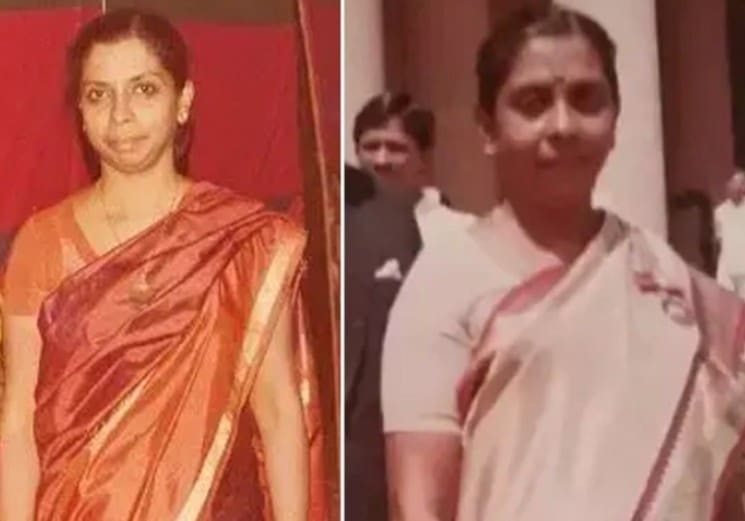
In post-independence India, only 8.86 percent of women were literate, according to the 1951 census. She was among the rare few who had access to education and the courage to use it.
How Anna Rajam Malhotra Entered the IAS in 1951?
The IAS selects officers through the UPSC’s Civil Services Examination, a tough three-stage test. Anna cleared it all in 1951.
Back then, there was also a marriage rule: if a woman got married, she had to leave service. This rule stayed until the 1970s. The logic was simple and unfair. Married women were expected to focus on family, not governance.
Her selection came at a time when the Indian government was recruiting its first batch of civil servants after independence, and the system was still heavily influenced by British colonial structures.
Career Highlights and Major Contributions of 1st Female IAS Officer
Anna worked with the Mumbai Port Trust and helped modernize systems.
Her biggest contribution was planning Nhava Sheva, now called Jawaharlal Nehru Port Trust. It became India’s first computerized port. She focused on the effective implementation of policies rather than just writing them.
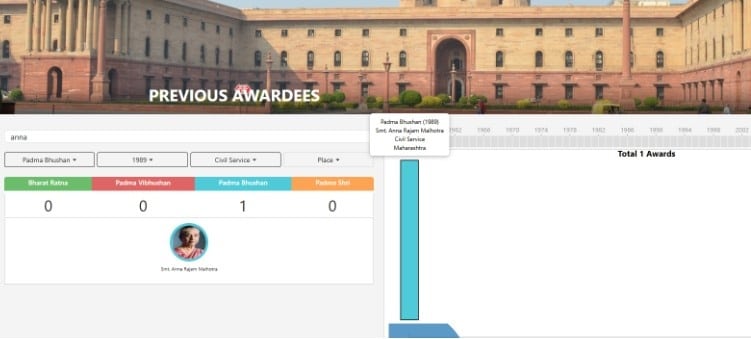
In 1982, she worked with Rajiv Gandhi to organize the Asian Games. She served under Jawaharlal Nehru, Indira Gandhi, and Rajiv Gandhi across political changes. For her work, she was felicitated with the Padma Bhusan in 1989.
Today, the Indian Administrative Services has 74 women officers, making up 41 percent of the current batch of 180. Her decision opened these doors.
Why Anna Rajam Malhotra’s Achievement Was Historic?
Anna Rajam Malhotra didn’t just become the first woman in the IAS. She became living proof of what was possible. Before her, people couldn’t imagine a woman running a district or managing a port. After her, it stopped being unthinkable.
She shifted how the country viewed women in leadership. Officers like Tina Dabi, who topped the UPSC exam in 2015 at age 22, and Smita Sabharwal, known as the “People’s Officer” in Telangana, followed her path.
Today, women hold 41 percent of IAS positions. When she joined in 1951, she was the only woman among hundreds of male officers. The shift from one to 74 women in a single batch shows how far the Indian civil services have come.
Suggested Reads:
Conclusion: Anna Rajam Malhotra Is The First Female IAS Officer of India
Anna Rajam Malhotra came from a village in Kerala and built a career that changed the nation’s thinking about women’s leadership. She planned India’s first computerized port, organized the Asian Games, and served for three decades.
She simply did the work and proved she belonged. For anyone preparing for UPSC today, especially women, her story is a reminder that rigid systems can be changed from within.
Her legacy is not just in the infrastructure she developed or the events she organized, but in the thousands of women officers who now serve India because she showed it was possible.
FAQs
Anna Rajam Malhotra is the first female IAS officer in India, joining the service in 1951 through the UPSC Civil Services Examination.
Ananya Sharma became the youngest female IAS officer in 2024 at age 21, though the record changes with each new UPSC batch.
Tina Dabi, the 2015 UPSC topper, is one of the most recognized female IAS officers, along with Smita Sabharwal and Anu Kumari.
As of April 2025, women make up 41 percent of the IAS, with 74 women in the latest batch of 180 officers.
Kiran Bedi became India’s first female IPS officer in 1972, joining the police service 21 years after Anna Rajam Malhotra entered the IAS.