Many UPSC aspirants wonder about India’s first IAS officer during their preparation. Satyendranath Tagore holds this honor; he became the first Indian to enter the Indian Civil Service in 1863.
Here’s something that trips people up: the ICS existed under British control, but the IAS came into being only after 1947, when India gained independence.
Understanding this split matters because it shows how Indians carved their space in a system designed to exclude them.
Who Is The First IAS Officer Of India?
Satyendranath Tagore changed history when others thought it impossible. Born on June 1, 1842, he cleared the Indian Civil Service exam in 1863 and began his career in 1864.
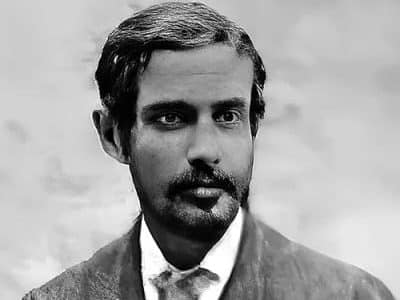
He belonged to Bengal’s celebrated Tagore family; his younger brother Rabindranath Tagore would go on to win the Nobel Prize.
His selection stunned the British establishment because they had built their exam system believing no Indian could crack it.
| Aspect | Details |
|---|---|
| Name | Satyendranath Tagore |
| Birth | June 1, 1842 |
| Selection Year | 1863 |
| Joined Service | 1864 |
| Retirement | 1897 |
| Death | January 9, 1923 |
Before we go further, we need to clear up the difference between ICS and IAS. The Indian Civil Service (ICS) operated throughout British rule from 1858 to 1947.
After independence, the government transformed the ICS into the Indian Administrative Service (IAS) in 1947. The IAS is the main civil service that has become the backbone of India’s government machinery.
This shift represented more than a new nameplate; it meant Indians would finally govern themselves rather than serve colonial masters.
The Journey of Breaking Barriers
Attempting the ICS exam in the 1860s required facing obstacles most people couldn’t imagine. The British conducted exams exclusively in London, creating a near-impossible situation for Indian candidates.
Satyendranath spent months traveling by ship just to reach the exam hall. The setup wasn’t accidental; the British designed every barrier deliberately. Financial strain, geographic distance, and outright racial prejudice all stood in the way.
Historic Achievement Of Satyendranath Tagore
Satyendranath sailed to England in 1862 with a clear purpose. He cracked the exam in 1863, shattering expectations as the first Indian to succeed. His posting took him to the Bombay Presidency for 30 years of service.
He worked as a judge in Satara until retiring in 1897. His decades-long career demolished the British claim that only they possessed the skills to run India.
Beyond Administration – His Legacy
Satyendranath’s impact reached far beyond his desk job. He became active in the Brahmo Samaj, working toward real social reform. He stood against the purdah system that confined women to shadows.
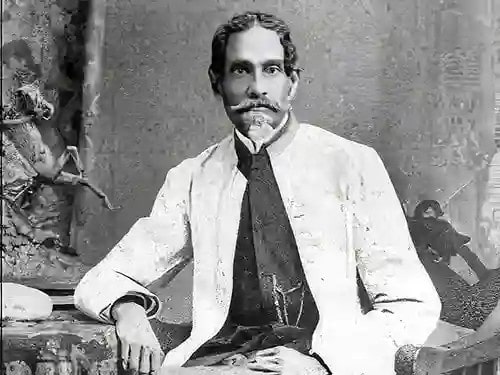
His belief was simple: women deserved the same freedoms men took for granted. He expressed himself through poetry, music composition, and mastering multiple languages.
His creation, “Mile Sabe Bharat Santan,” is recognized as India’s first national anthem.
Who Is The First Woman IAS Officer of India?
Anna Rajam Malhotra shattered gender expectations by becoming India’s first woman IAS officer. She cleared the exam in 1950 and entered the 1951 batch.
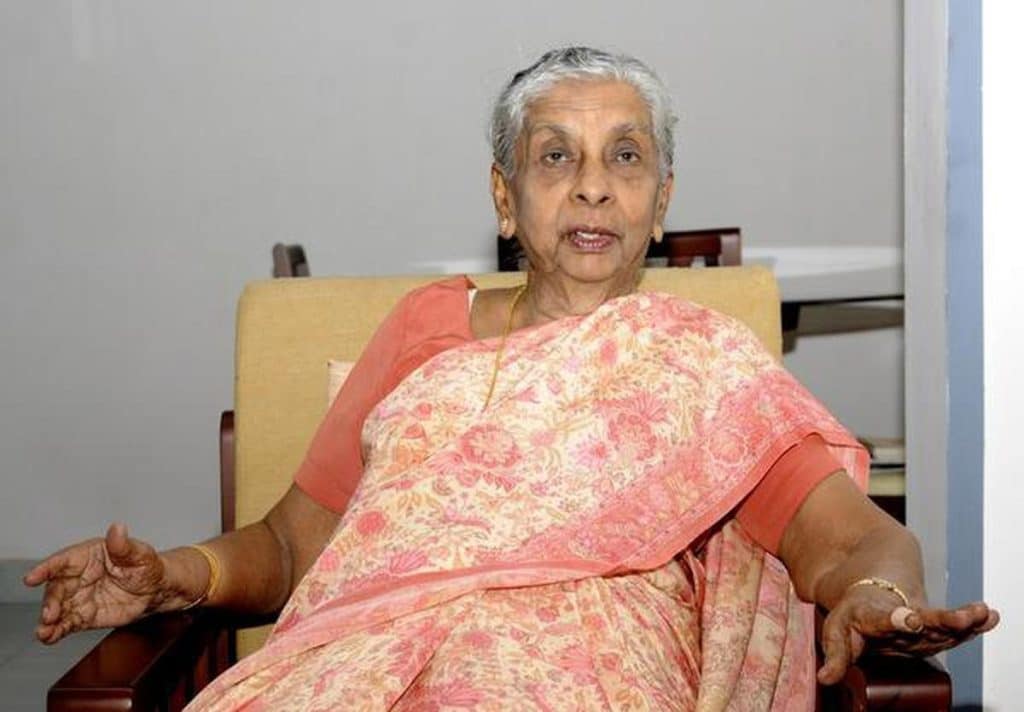
Her assignment as Sub Collector in Tirupattur, Tamil Nadu, came with the same authority as an IAS officer, proving that competence defines leadership, not gender. Anna’s success created possibilities for the thousands of women officers serving today.
Who Was The First IAS Officer After Independence?
The government established the IAS in 1947, immediately after independence arrived. Former ICS officers transitioned into the IAS to maintain administrative continuity.
The UPSC recruited the first independent batch during 1947-48. This group represented the true beginning of Indians managing their own bureaucratic system.
Related Reads:
Conclusion: Satyendranath Tagore Was The First IAS Officer of India
Satyendranath Tagore’s 1863 achievement continues to inspire people today. He accomplished more than passing an exam; he exposed the lie behind British claims of superiority.
His 30 years of dedicated service established standards that current officers still follow.
Every UPSC candidate today benefits from the path he forced open. His life proves that resolve can tear down any obstacle, regardless of its power. What matters most is serving India with integrity and backbone.
FAQs
Satyendranath Tagore entered the Indian Civil Service in 1863, becoming the first Indian in what later evolved into the IAS.
Anna Rajam Malhotra cleared the IAS examination in 1950 and began serving in 1951 as the first woman officer.
The IPS began operations in 1948, though records don’t identify one specific first officer since several joined simultaneously.
Satyendranath Tagore received this recognition for breaking into the British civil services as the first Indian in 1863.
The UPSC recruited the first IAS batch during 1947-48, with multiple officers beginning their careers together after independence.